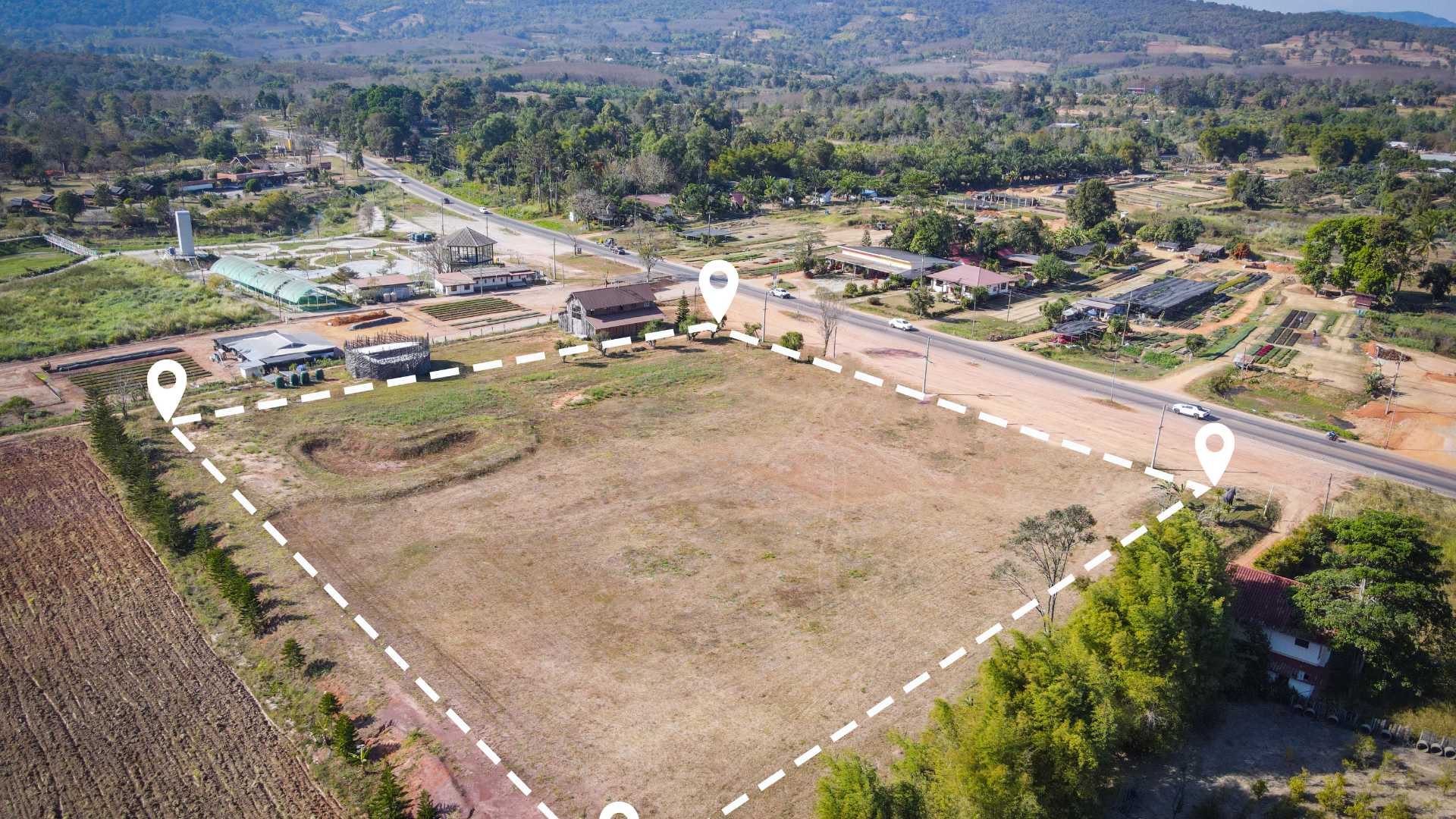
How Bhoomi Rewrote Karnataka’s Land Governance

Bhoomi Project: Transforming Land Governance in Karnataka (25 Years)
1. Historical Context of Land Records
Land administration in Karnataka until the late 1990s was largely manual and inefficient:
- Reliance on handwritten records maintained by village accountants.
- Farmers faced repeated visits and intermediaries to access Record of Rights, Tenancy, and Crops (RTC).
- Errors were common; corrections took months, affecting especially small and marginal farmers.
- Delays and opacity encouraged discretionary abuse and disputes, undermining trust in revenue administration.
Effective governance requires predictable, transparent systems; ignoring inefficiencies perpetuates inequalities and administrative bottlenecks.
2. Launch and Objectives of Bhoomi
Bhoomi was launched in 2000 with the goal of digitising land records and improving transparency:
- Legal recognition of computerised RTCs and abolition of handwritten records.
- Reduce administrative discretion, replace delays with timelines, and enhance transparency.
- Issued over 39.8 crore RTCs in 25 years, covering ~3.5 crore farmers.
- Introduced a cultural shift in administration, moving toward rules-based governance.
Digitisation combined with legal and institutional reform strengthens citizen–state trust; otherwise, technological investments may fail to improve governance.
3. Capacity Building and Administrative Integration
Implementation required training and system integration:
-
Human capacity development:
- 9,000 village accountants, 8,000 revenue inspectors, 1,000 computer operators trained.
-
Infrastructure: 204 Bhoomi Kendras established at the taluk level.
-
Integration with Kaveri registration system:
- Reduced fraudulent transactions and eliminated middlemen.
-
Survey and boundary management:
- Mojini software (2007) for digital surveys.
- 11E Sketch for accurate land boundaries.
Without capacity building and integration, technology alone cannot transform governance outcomes.
4. Integration with Welfare and Agricultural Programs
Bhoomi also enhanced direct benefit delivery:
-
Crop compensation: Direct credit to farmers’ bank accounts since 2016.
-
2018 loan waiver programme: Enabled waiver for ~20 lakh farmers using Bhoomi data.
-
Integration with PM-Kisan, FRUITS, and Aadhaar seeding of 2.17 crore farmer accounts:
- Improved targeting and reduced leakages.
- Converted entitlements into tangible benefits.
Linking land records with welfare systems ensures administrative accuracy translates into socioeconomic impact.
5. Outcomes and Governance Implications
Bhoomi improved administrative efficiency, transparency, and trust:
-
Reduced farmers’ travel for routine services.
-
Narrowed scope for discretionary abuse and corruption.
-
Increased predictability and transparency in revenue services.
-
Decreased land disputes and fraudulent registration.
-
Key Statistics:
- 39.8 crore RTCs issued
- 2.5 crore land records digitised
- 3.5 crore farmers covered
- ~20 lakh farmers benefited via loan waiver
Accessible and reliable land records strengthen institutional trust and demonstrate the impact of administrative reform.
6. Policy Lessons and Replicability
Bhoomi offers lessons for digital governance:
-
Success factors:
- Legal and administrative restructuring.
- Capacity building and continuous institutional learning.
- Incremental, inclusive, and locally adapted implementation.
-
Integration with registration, survey, and welfare systems enhances impact.
-
Gradual, context-sensitive reform ensures adoption and sustainability.
"Good governance is not just about efficiency, but about building institutions that citizens trust." — World Bank Governance Principles
Ignoring these lessons risks reforms that digitise processes without improving outcomes.
7. Conclusion and Way Forward
- Bhoomi shows that administrative reform, legal recognition, and technology can jointly strengthen governance.
- Integration with welfare and survey systems highlights the value of data-driven administration.
- Long-term impact: Reduced disputes, enhanced citizen trust, and a replicable model for other States.
- Scaling requires adapting institutional capacity and legal/technological frameworks to local realities.
Attribution
Original content sources and authors

Syllabus classification
How this article maps to GS papers
Main syllabus
GS2Accountable GovernanceQuick Q&A
What is the Bhoomi project in Karnataka and why is it considered a landmark in land administration?
Bhoomi replaced manual Record of Rights, Tenancy, and Crops (RTC) with legally recognized computerised records, abolished handwritten records, and established a transparent, rules-based system. Over 25 years, it has issued more than 39.8 crore RTCs, integrated survey and registration processes, and enabled automatic mutation of land records. The project is considered a landmark because it not only digitised land records but also transformed administrative culture, strengthened governance, and improved citizen access to entitlements and welfare services.
Why was the digitisation of land records through Bhoomi important for governance and farmers in Karnataka?
Second, accurate and up-to-date records enabled the government to deliver welfare and entitlements efficiently. For instance, crop compensation payments were directly credited to farmers’ bank accounts, and data facilitated the 2018 loan waiver programme benefiting nearly 20 lakh farmers. By linking land records with systems like PM-Kisan and Aadhaar, Bhoomi strengthened targeting, reduced leakages, and improved the overall responsiveness of governance. The project thus enhanced trust between citizens and the administration while supporting socio-economic development.
How did the Bhoomi project integrate technology with administrative reform to improve land management?
Over time, Bhoomi evolved into a comprehensive digital ecosystem. The integration with the Kaveri registration system reduced fraudulent transactions and middlemen involvement, while software like Mojini facilitated digital surveys and boundary management. Innovations like the 11E Sketch improved the accuracy of land measurements. This combination of technology deployment, capacity building for over 18,000 revenue personnel, and restructuring of administrative processes enabled a seamless, time-bound, and transparent land management system that strengthened governance and service delivery.
What were the challenges Bhoomi faced initially, and how were they addressed?
Karnataka addressed these challenges through large-scale capacity building and training. Nearly 9,000 village accountants, 8,000 revenue inspectors, and 1,000 computer operators were trained to manage digital systems. The establishment of Bhoomi Kendras ensured administrative support for both officials and citizens. Furthermore, embedding digital processes within legal frameworks and creating time-bound mechanisms for surveys, mutations, and registration gradually overcame resistance, leading to a cultural shift in the administration. This combination of training, infrastructure, and legal reform was crucial for the successful adoption and long-term sustainability of the project.
Critically evaluate the impact of Bhoomi on reducing land-related disputes and improving welfare delivery.
On the welfare side, Bhoomi has enabled direct delivery of crop compensation, facilitated loan waivers for millions of farmers, and improved targeting through integration with PM-Kisan and Aadhaar-linked accounts. While these interventions have reduced errors and leakages, the system still requires continuous monitoring and updates to remain inclusive and responsive. Overall, Bhoomi illustrates that digital governance succeeds when supported by administrative reform, legal frameworks, and citizen-centric processes.
Can you provide examples of how Bhoomi has been used to improve government schemes for farmers?
Integration with the PM-Kisan scheme and the FRUITS platform of the Agriculture Department, along with Aadhaar seeding of over 2.17 crore farmer accounts, has improved targeting of subsidies and entitlements. Accurate digital land records ensure that benefits reach the intended recipients, minimizing leakage and corruption. These examples highlight how Bhoomi has translated reliable land data into tangible socio-economic outcomes for farmers.
Consider a scenario where another state aims to digitise land records based on the Bhoomi model. What lessons should it take from Karnataka’s experience?
Capacity building and change management for revenue personnel ensured adoption and sustainability. Additionally, citizen-centric service delivery, including Bhoomi Kendras and digital access, fostered trust and reduced dependency on intermediaries. Finally, integration with welfare schemes ensured that digitisation translated into tangible benefits, demonstrating the importance of aligning technology with broader governance and developmental objectives. Any state seeking to replicate Bhoomi should embed these lessons within its local context, considering administrative structures, legal frameworks, and stakeholder engagement.
Practice questions
1 question for mains preparation