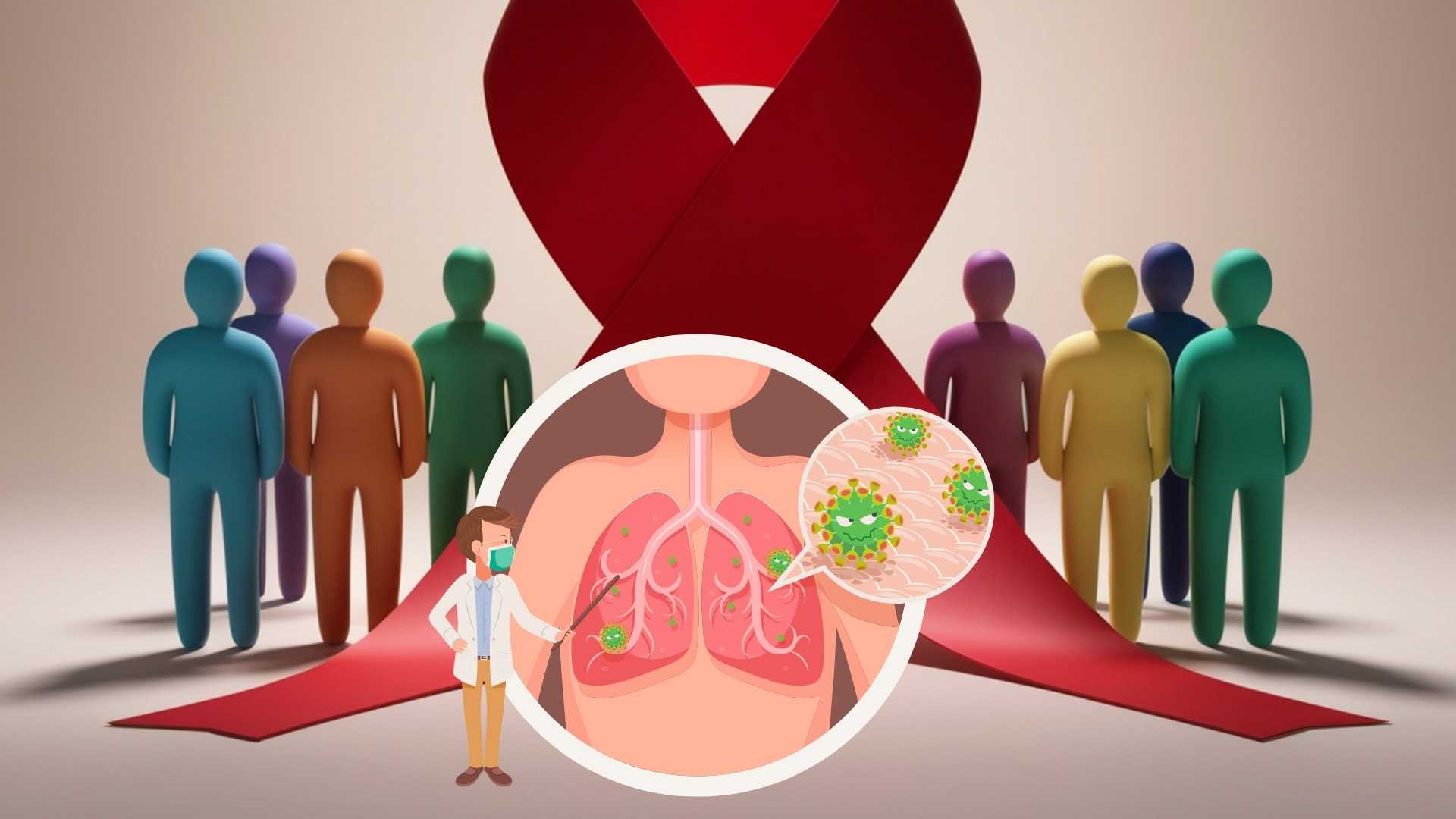
Empowering TB Survivors as Champions in India

Introduction
Tuberculosis (TB) remains one of the deadliest infectious diseases globally, with over 10 million cases and ~1.3 million deaths annually (WHO). India accounts for the largest share, diagnosing more than 25 lakh cases every year. While biomedical interventions under the National TB Elimination Programme (NTEP) have improved outcomes, stigma, social exclusion, and mental health challenges continue to impede elimination. This has led to a growing emphasis on community-led approaches such as the TB Champion movement.
Background and Context
The traditional TB response has been largely biomedical in nature, focusing on diagnosis and treatment.
• Limited recognition of social determinants of health
• Neglect of patient experiences and community voices
• Persistence of stigma and discrimination across society
Despite improvements in case detection and treatment success, TB elimination requires a multi-dimensional approach combining medical, social, and behavioural interventions.
Key Concept: TB Champions
TB Champions are TB survivors who actively contribute to TB care and advocacy.
• Serve as peer supporters, educators, and community leaders
• Use lived experience to guide and motivate patients
• Act as a bridge between communities and healthcare systems
This reflects a shift towards “person-centred care”, a core principle of WHO’s End TB Strategy.
Role and Contributions of TB Champions
Peer Support and Emotional Care
• Provide psychological support and motivation during long treatment periods
• Reduce loneliness and emotional distress
• Improve treatment adherence and completion rates
Community Awareness and Outreach
• Conduct awareness campaigns and local meetings
• Educate people about symptoms, transmission, and free treatment availability
• Promote early diagnosis and timely care-seeking behaviour
Reducing Stigma and Discrimination
• Share personal stories to challenge myths and misconceptions
• Reduce self-stigma and societal stigma
• Particularly beneficial for vulnerable groups (women, elderly, transgender persons)
Strengthening Health Systems
• Support overburdened frontline health workers
• Enable last-mile delivery of services
• Facilitate community feedback and monitoring
India’s TB Response: Key Features (NTEP)
| Component | Details |
|---|---|
| Programme | National TB Elimination Programme (NTEP) |
| Coverage | Free diagnosis and treatment for all |
| Innovations | AI-enabled screening, active case finding |
| Treatment | Shorter, less toxic regimens |
| Support Schemes | Nutritional support (Nikshay Poshan Yojana) |
| Approach | Increasing focus on community participation |
Importance of Community Participation
Biomedical interventions alone cannot ensure elimination without active community involvement.
• Builds trust and acceptability of health services
• Addresses stigma and misinformation
• Enhances last-mile connectivity
• Enables participatory governance in health
Quote: WHO End TB Strategy emphasises community engagement as a central pillar for TB elimination.
Challenges and Limitations
Persistent Stigma
• Leads to delayed diagnosis and concealment of disease
• Impacts treatment adherence
Sustainability of TB Champion Networks
• Heavy dependence on external funding
• Lack of institutional and financial stability
Health System Gaps
• Overburdened healthcare workforce
• Limited focus on mental health integration
Socio-economic Barriers
• Poverty, malnutrition, and poor living conditions continue to fuel TB transmission
Case Study: TB Champion Movement in India
• Originated through “Survivor to Champion” training initiatives
• Formally integrated into NTEP framework
• Creation of state-level survivor networks
Impact Observed:
• Improved treatment adherence
• Reduction in self-stigma
• Increased community awareness and testing rates
Way Forward
• Institutionalise TB Champions within public health delivery systems
• Develop self-sustaining livelihood models for survivor networks
• Integrate mental health and counselling services into TB care
• Strengthen inclusive and gender-sensitive approaches
• Promote community-led monitoring and accountability
Conclusion
TB elimination in India is not merely a medical goal but a social transformation agenda. The TB Champion model demonstrates that community leadership, lived experience, and peer support are critical to overcoming stigma and improving outcomes. A holistic, participatory, and inclusive strategy is essential for achieving the vision of a TB-free India, aligning with broader goals of equitable and people-centric governance.
UPSC Mains Question (250 Words)
“India’s tuberculosis elimination strategy requires a shift from a purely biomedical approach to a community-driven model.” Discuss with reference to the role of TB Champions.
Attribution
Original content sources and authors


Syllabus classification
How this article maps to GS papers
Main syllabus
GS2HealthcareQuick Q&A
What is the concept of TB Champions, and how has it evolved within India’s tuberculosis control strategy?
Integration into Policy Framework: The National Tuberculosis Elimination Programme (NTEP) has formally recognized the importance of TB Champions by adopting structured training programs like the ‘Survivor to Champion’ curriculum. These individuals now play multiple roles, including peer counselling, awareness generation, and acting as intermediaries between communities and health systems. Their lived experience provides authenticity and relatability that conventional health communication often lacks.
Impact on TB Response: The evolution of TB Champions reflects a shift towards a people-centered public health approach. By addressing emotional, social, and informational needs, they complement clinical care. For example, TB Champions have been instrumental in improving treatment adherence and reducing stigma in both rural and urban settings, thereby contributing to improved health outcomes and strengthening the overall TB elimination strategy.
Why is community participation, particularly through TB Champions, critical for achieving TB elimination in India?
Role of TB Champions in Bridging Gaps: TB Champions play a crucial role in addressing these non-medical barriers. They provide emotional support, peer counselling, and treatment literacy, which are often beyond the capacity of an overburdened healthcare system. For instance, they help patients understand side effects, motivate them to adhere to long treatment regimens, and reduce fear associated with the disease.
Enhancing Health-Seeking Behaviour: By sharing their personal recovery stories, TB Champions challenge stigma and encourage early diagnosis. Their involvement during the COVID-19 pandemic as trusted community voices further illustrates their importance. Thus, community participation ensures a holistic and sustainable approach to TB elimination, integrating medical, social, and behavioral dimensions.
How do TB Champions contribute to reducing stigma and improving treatment outcomes in affected communities?
Improving Treatment Adherence: TB treatment is long and often physically and emotionally taxing. TB Champions provide continuous peer support through one-on-one counselling and support groups. They help patients understand the importance of completing treatment, manage side effects, and maintain motivation. Studies and field experiences show that such interventions significantly improve adherence rates and reduce dropouts.
Community-Level Impact: TB Champions also conduct awareness campaigns and community meetings, reaching the “last mile.” For example, their engagement with local leaders and panchayats has helped improve access to services and reduce discrimination. Their efforts not only improve individual outcomes but also contribute to broader public health goals by increasing case detection and reducing transmission.
Critically analyze the challenges and limitations of the TB Champion model in India.
Key Challenges: Despite its success, the model faces several limitations. One major challenge is sustainability, as many TB Champion networks depend on external funding and lack stable financial support. Additionally, there may be issues related to standardization of training and quality control, given the diverse backgrounds of participants. Another concern is the potential for burnout among TB Champions, who often work in emotionally demanding environments without adequate compensation.
Structural Constraints: Integration with formal health systems remains uneven across states, limiting the scalability of the model. Furthermore, addressing deep-rooted stigma requires broader societal change, which cannot be achieved solely through community initiatives. Therefore, while the TB Champion model is highly effective, it must be complemented by institutional support, policy backing, and sustainable funding mechanisms to realize its full potential.
Provide examples of how TB Champions have influenced public health outcomes at the grassroots level.
Case Example – COVID-19 Pandemic: During the COVID-19 pandemic, TB Champions extended their role beyond TB awareness. They became trusted sources of information on COVID-appropriate behaviour, demonstrating their adaptability and credibility within communities. This dual role helped maintain continuity in TB care while addressing emerging public health challenges.
Impact on Vulnerable Groups: TB Champions have been particularly effective in reaching marginalized populations, including women, transgender individuals, and economically disadvantaged groups. By building trust and reducing fear, they have encouraged more people to seek diagnosis and adhere to treatment. These examples highlight the multiplier effect of community-led interventions in achieving broader public health objectives.
As a policymaker, how would you design a sustainable model to strengthen TB Champion networks in India?
Financial Sustainability: To address funding challenges, innovative financing mechanisms such as public-private partnerships, CSR funding, and community-based enterprises can be explored. For example, TB Champion networks could be linked to livelihood programs, enabling them to generate income while continuing their advocacy work.
Capacity Building and Scalability: Continuous skill development in areas like communication, leadership, and digital literacy is essential. Additionally, leveraging technology for monitoring and coordination can improve efficiency. By combining institutional support, financial sustainability, and capacity building, policymakers can create a resilient and scalable TB Champion ecosystem that contributes significantly to India’s goal of TB elimination.
Practice questions
1 question for mains preparation