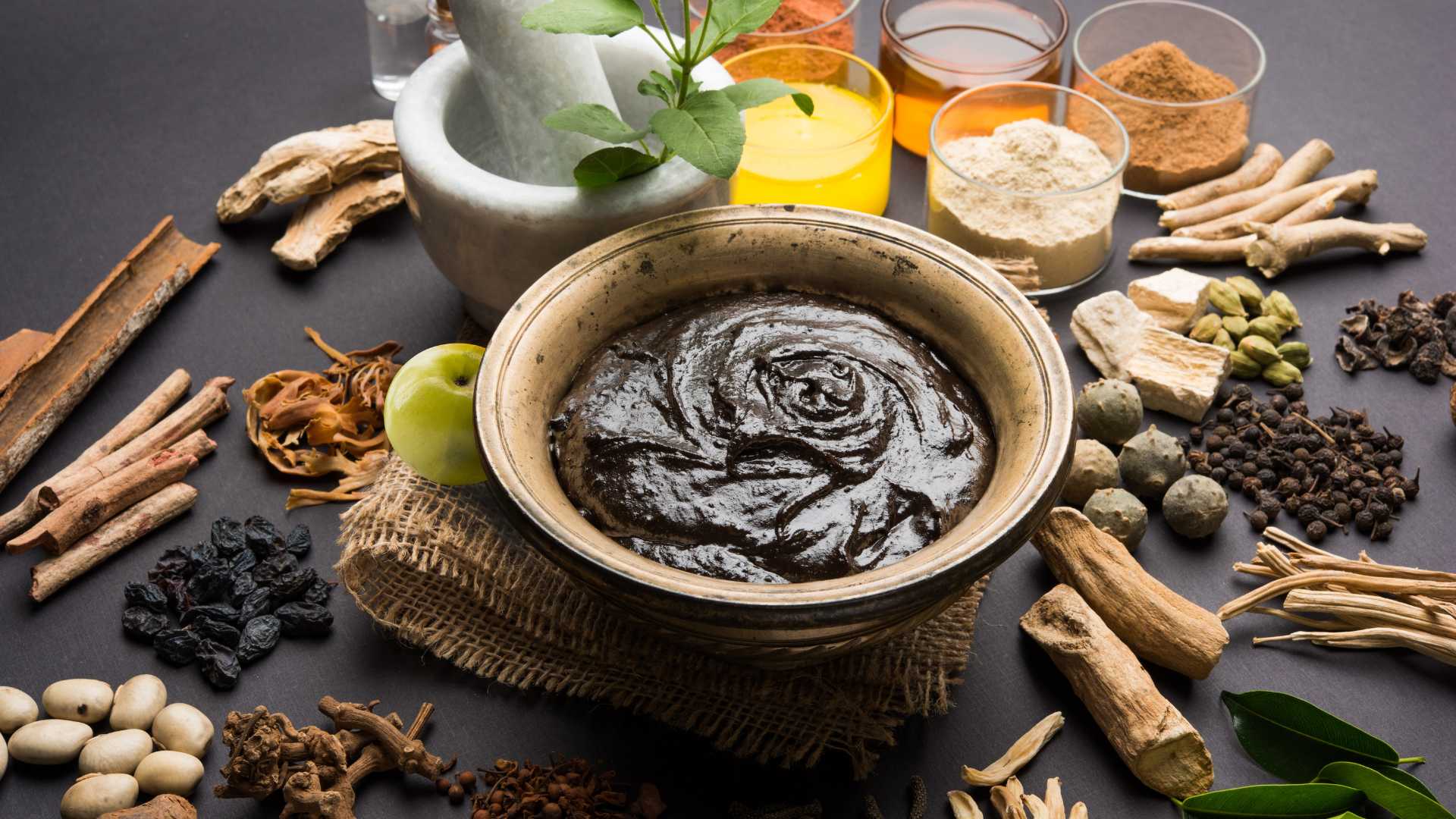
Unlocking the Potential of AYUSH in Global Health
INTRODUCTION India’s push to globalise traditional medicine has gained momentum with the 2026–27 Union Budget and the proposed India–EU Free Trade Agreement (FTA). The AYUSH Ministry’s allocation has risen to ₹4,408 crore, nearly doubling in five years, while the global traditional medicine market is estimated to exceed $400 billion. These developments signal a shift from viewing Ayurveda as an alternative system to integrating it into mainstream healthcare and global markets. However, this expansion raises critical questions of scientific validation, regulation, and credibility.
BACKGROUND AND POLICY CONTEXT
- India has historically promoted AYUSH systems as part of its cultural and healthcare framework.
- Recent policy thrust aims at mainstreaming AYUSH within public health systems.
- The India–EU FTA expands the external dimension, enabling global mobility of practitioners and products.
- Establishment of All-India Institutes of Ayurveda mirrors AIIMS-like institutionalisation.
KEY BUDGETARY AND POLICY MEASURES
| Measure | Details | Significance |
|---|---|---|
| AYUSH Budget | ₹4,408 crore (2026–27) | Strengthening infrastructure and research |
| National AYUSH Mission | 66% increase | Integration into public healthcare |
| New Institutes | 3 All-India Institutes of Ayurveda | Standardisation and advanced research |
| AYUSH in Hospitals | Clinics in govt hospitals | Mainstream healthcare integration |
INDIA–EU FTA AND GLOBAL OPPORTUNITIES
- Recognition of Indian qualifications for AYUSH practitioners in EU (in unregulated sectors).
- Enables setting up Ayurvedic clinics in Europe with regulatory stability.
- Potential mutual recognition of safety certifications.
- Expands India’s soft power and medical diplomacy.
KEY CONCEPT: TRADITIONAL, COMPLEMENTARY AND ALTERNATIVE MEDICINE (TCAM)
- TCAM includes Ayurveda, Yoga, Unani, Siddha, Homeopathy.
- WHO recognises TCAM as significant in primary healthcare globally.
- Reflects holistic and ecological understanding of health, unlike reductionist biomedicine.
COMPARISON: AYURVEDA VS BIOMEDICINE
| Dimension | Ayurveda (TCAM) | Biomedicine |
|---|---|---|
| Approach | Holistic, systemic | Reductionist, organ-specific |
| Health Concept | Balance (doshas, ecology) | Absence of disease |
| Treatment | Lifestyle, diet, natural remedies | Drugs, surgery |
| Strength | Preventive, long-term wellness | Acute care, precision treatment |
| Limitation | Limited empirical validation | Less focus on holistic well-being |
IMPLICATIONS OF MAINSTREAMING AYUSH
- Healthcare Integration: Diversifies treatment options in public health.
- Economic Gains: Boosts exports of AYUSH products and services.
- Soft Power: Enhances India’s cultural diplomacy globally.
- Research Ecosystem: Encourages interdisciplinary health research.
CHALLENGES AND CONCERNS
Lack of Scientific Evidence
- Limited large-scale, peer-reviewed clinical trials.
- Risk of exaggerated claims damaging credibility.
Conflict of Interest
- Research often funded by the promoting ministry itself.
- Weak independent validation mechanisms.
Regulatory Harmonisation
- EU markets demand stringent safety and efficacy standards.
- Need for alignment with global norms (WHO, EMA).
Reputational Risks
- Failure to meet standards may reinforce stereotypes of “unscientific traditionalism”.
Epistemological Debate
- Tension between traditional knowledge systems and modern scientific validation.
NEED FOR SCIENTIFIC VALIDATION AND GOVERNANCE REFORMS
- Independent, third-party clinical trials and research funding.
- Adoption of global best practices in drug testing and certification.
- Transparent publication of positive and negative results.
- Strengthening regulatory bodies and quality control systems.
Quote: “Global ambition demands scientific accountability.”
COEXISTENCE AND INTEGRATED HEALTH APPROACH
- Ayurveda provides holistic and preventive frameworks.
- Biomedicine offers precision and acute interventions.
- The goal is complementarity, not substitution.
- Encourages a pluralistic healthcare model aligned with WHO’s integrated health vision.
CASE STUDY: GLOBAL TRADITIONAL MEDICINE ACCEPTANCE
-
China has successfully globalised Traditional Chinese Medicine (TCM) through:
- State-backed research
- Integration with modern medicine
- International regulatory compliance
Lesson for India: Scientific validation + state support = global acceptance.
CONCLUSION India stands at a critical juncture where Ayurveda is transitioning from cultural heritage to global healthcare player. While policy support and international agreements provide unprecedented opportunities, long-term success hinges on scientific rigor, regulatory credibility, and institutional independence. A balanced integration of tradition with evidence-based medicine can position India as a leader in holistic global healthcare.
UPSC MAINS QUESTION (15 MARKS, 250 WORDS) “India’s efforts to globalise Ayurveda through policy support and trade agreements present both opportunities and challenges.” Critically examine with reference to scientific validation, regulatory frameworks, and healthcare integration.
Attribution
Original content sources and authors
Syllabus classification
How this article maps to GS papers
Main syllabus
GS2HealthcareQuick Q&A
What is the significance of the 2026-27 Union Budget and India-EU FTA for the globalisation of AYUSH systems?
On the global front, the India-EU FTA provides unprecedented opportunities for AYUSH systems to expand internationally. It allows Indian practitioners to offer services in EU countries lacking specific regulations for traditional medicine and facilitates the establishment of Ayurvedic clinics abroad. Importantly, the agreement opens pathways for mutual recognition of safety certifications, potentially reducing regulatory barriers for AYUSH products in European markets.
Together, these developments represent a dual strategy of domestic consolidation and global outreach. However, this expansion also subjects AYUSH systems to stricter international scrutiny, making it essential to align traditional practices with global standards of safety, efficacy, and quality.
Why is scientific validation crucial for the global acceptance of Ayurveda and other AYUSH systems?
Another important reason is the need to avoid reputational and legal risks. If AYUSH products or treatments fail to meet international standards, India could face legal disputes, regulatory bans, and damage to its global credibility. For instance, pharmaceutical and herbal products in the European Union are subject to stringent testing and quality control measures. Failure to comply could reinforce stereotypes about traditional medicine being unscientific.
Furthermore, scientific validation does not undermine tradition but strengthens it. Independent clinical trials, peer-reviewed research, and transparent methodologies can help identify both the strengths and limitations of AYUSH systems. This approach ensures that global expansion is based on evidence and credibility, rather than cultural assertion alone.
How can India ensure regulatory harmonisation for AYUSH products in international markets like the EU?
Another key measure is promoting independent and transparent research. Currently, many studies on AYUSH systems are funded or overseen by the same institutions that promote them, leading to potential conflicts of interest. Establishing independent research bodies and collaborating with international institutions can help generate unbiased evidence that meets global standards.
Additionally, India must engage in mutual recognition agreements and continuous dialogue with regulatory authorities in partner countries. For example, the India-EU FTA’s provision for recognizing Indian safety certifications can be operationalized through technical cooperation and data sharing. This multi-pronged approach will help integrate AYUSH into global markets while maintaining regulatory integrity.
What are the reasons behind the growing emphasis on integrating AYUSH into the mainstream healthcare system in India?
Another reason is the increasing global and domestic interest in holistic and preventive healthcare. Systems like Ayurveda emphasize balance, lifestyle, and long-term well-being, which align with contemporary concerns about chronic diseases and mental health. This has led policymakers to view AYUSH not merely as an alternative but as a complementary system that can coexist with biomedicine.
Finally, there is a strategic dimension. Promoting AYUSH enhances India’s soft power and creates economic opportunities through exports of services and products. The government’s investment in institutions and infrastructure reflects a recognition that traditional knowledge can be leveraged for both public health and economic growth.
Provide examples to illustrate how AYUSH systems can contribute to global healthcare markets.
Under the India-EU FTA, Indian companies can establish Ayurvedic clinics in Europe, offering therapies such as Panchakarma. This creates opportunities for medical tourism and cross-border healthcare services. Additionally, the potential recognition of Indian safety certifications could allow Ayurvedic products to enter EU markets with fewer regulatory hurdles, boosting exports.
However, these opportunities also come with responsibilities. For example, if an Ayurvedic formulation claims to treat a specific condition, it must be backed by clinical evidence to meet international standards. Successful integration into global markets will depend on combining traditional knowledge with modern scientific validation, ensuring both authenticity and credibility.
Critically analyze the debate between traditional knowledge and scientific evidence in the context of AYUSH systems.
On the other hand, critics emphasize the need for rigorous scientific validation. Without standardized clinical trials and peer-reviewed evidence, it becomes difficult to assess the efficacy and safety of treatments. The lack of independent research and potential conflicts of interest in existing studies further complicate the issue.
A balanced approach is required. Scientific evaluation should not be seen as a rejection of tradition but as a means to strengthen it. By subjecting AYUSH systems to rigorous testing, their effective components can be validated and integrated into mainstream medicine. This dialogue between tradition and science can lead to a more comprehensive understanding of health, benefiting both systems.
Examine the expansion of Ayurveda under the India-EU FTA as a case study in global health diplomacy.
This case also highlights the challenges of aligning diverse regulatory frameworks. The EU’s stringent standards for safety and efficacy require India to upgrade its regulatory and research mechanisms. The success of this initiative will depend on India’s ability to meet these standards while preserving the authenticity of its traditional practices.
From a broader perspective, the FTA demonstrates how health systems can become tools of soft power and economic engagement. If successful, it could pave the way for similar agreements with other regions, positioning India as a leader in traditional and integrative medicine. However, sustained success will require a commitment to evidence-based practices and international collaboration.
Practice questions
2 questions for mains preparation