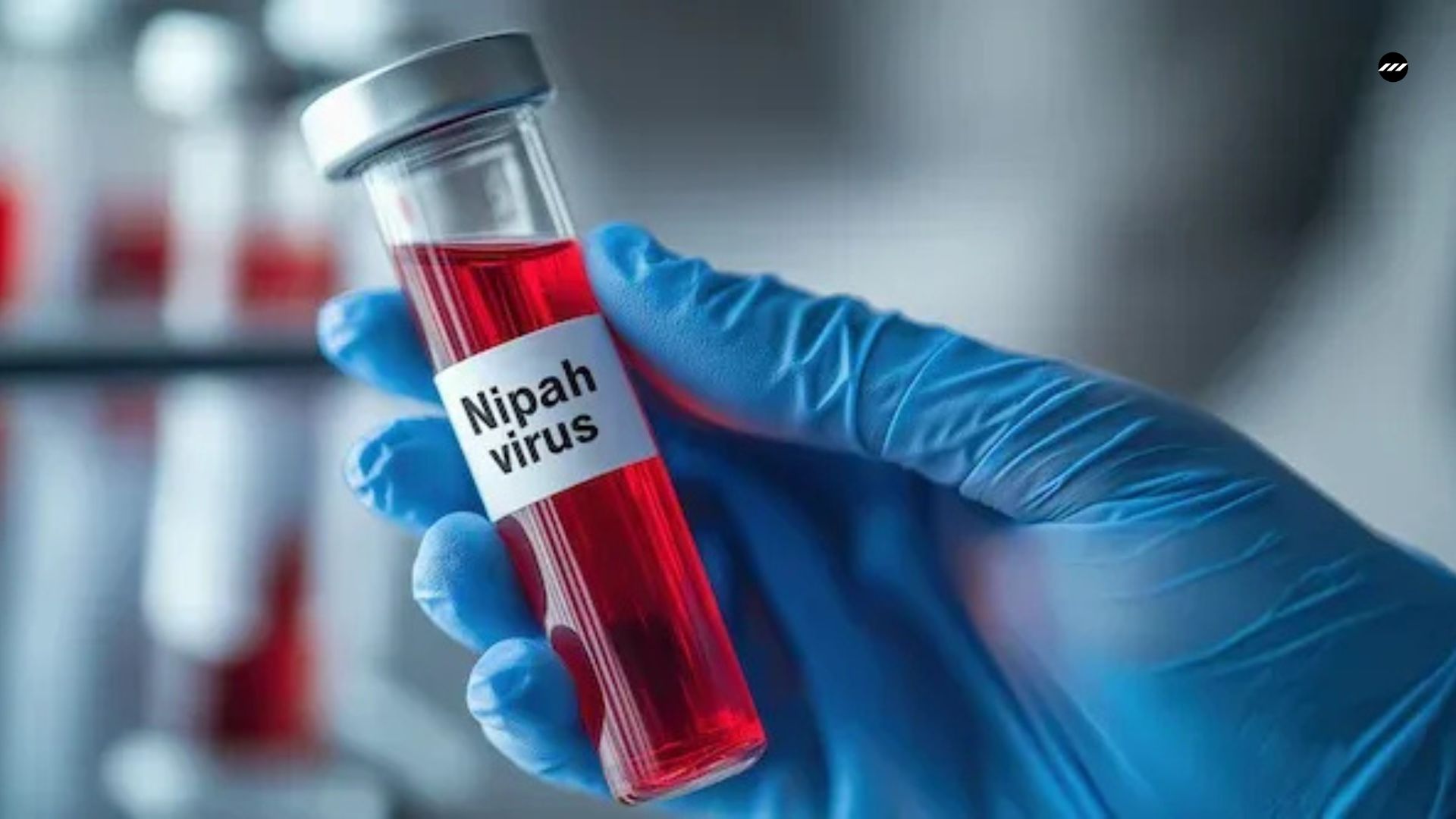
Kerala's Resilience: Lessons from the Nipah Virus Outbreak
 Dhinesh Balasubramanian
“Emerging infectious diseases cannot be addressed through a healthcare lens alone; they require a One Health approach.”
The recent detection of a Nipah virus case in Kerala once again highlights the State's ecological vulnerability to zoonotic diseases and the importance of a robust public health system. While Nipah remains a highly lethal disease with outbreak potential, Kerala's swift containment efforts demonstrate how preparedness, surveillance, and coordinated health responses can prevent wider transmission.
Why Is Nipah a Major Concern?
The World Health Organization (WHO) classifies Nipah virus as a priority pathogen due to:
- High fatality rates
- Potential for person-to-person transmission
- Risk of outbreaks and pandemics
- Absence of widely available specific treatment
Other WHO-Flagged Diseases in Kerala
| Disease | Nature |
|---|---|
| Nipah Virus Disease | Zoonotic viral infection |
| Avian Influenza | Bird-to-human transmission risk |
| Kyasanur Forest Disease | Tick-borne viral disease |
Current Situation in Kerala
As of now:
- One active Nipah case has been reported.
- The patient is a 43-year-old man from Ramanattukara, Kozhikode.
- He remains on ventilator support.
- No secondary cases have been detected so far.
Immediate Response
• Intensive contact tracing
• Screening of contacts
• Isolation protocols
• Continuous surveillance
• Hospital preparedness
The absence of additional cases reflects the effectiveness of Kerala's public health response.
Nipah Outbreak History in India
Kerala has experienced repeated encounters with Nipah.
| Year | Location | Outcome |
|---|---|---|
| 2018 | Kerala | 23 cases, 17 deaths |
| 2019 | Kerala | Contained |
| 2021 | Kerala | Contained |
| 2023 | Kerala | Contained |
| 2024 | Kerala | Contained |
| 2025 | Kerala | Contained |
| 2026 | Kerala | Single active case |
Earlier Indian Outbreaks
- West Bengal (2001): Major outbreak
- West Bengal (2007): Limited cases
- West Bengal (January 2026): Two infected healthcare workers; outbreak contained
The 2018 Kerala Outbreak: A Turning Point
The 2018 outbreak remains India's most significant Nipah episode.
Key Facts
- 23 affected individuals
- 18 laboratory-confirmed cases
- 17 deaths
- Extensive person-to-person transmission
Index Patient
       ↓
15 Secondary Infections
       ↓
Family Members + Healthcare Workers
The outbreak transformed Kerala's preparedness framework.
Why Is Kerala Vulnerable?
The State's ecological setting contributes significantly to disease emergence.
Role of Fruit Bats
Fruit bats are recognised as the natural reservoir hosts of the virus.
Contributing Factors
- Human encroachment into forest fringes
- Habitat disturbance
- Increased human-wildlife interaction
- Environmental changes
Forest Habitat Disturbance
          ↓
Increased Human-Bat Contact
          ↓
Contaminated Fruits or Water
          ↓
Human Infection
Understanding the One Health Approach
The repeated emergence of Nipah demonstrates that disease control cannot focus solely on hospitals and treatment.
One Health Framework
| Component | Focus |
|---|---|
| Human Health | Disease detection and treatment |
| Animal Health | Monitoring reservoir hosts |
| Environmental Health | Habitat conservation and risk reduction |
The approach recognises the interconnectedness of:
- Humans
- Animals
- Ecosystems
Kerala's Public Health Strength
A major lesson from Kerala is the value of health system readiness.
Key Strengths
- Strong disease surveillance
- Rapid contact tracing
- Trained healthcare workforce
- Early outbreak detection
- Effective district-level response
Operational Preparedness
High Clinical Suspicion
          ↓
Early Identification
          ↓
Rapid Isolation
          ↓
Contact Tracing
          ↓
Containment
Healthcare institutions maintain a high level of alertness, particularly for acute encephalitis cases and unusual disease clusters.
Lessons for Pandemic Preparedness
The Kerala experience demonstrates that:
- Early detection saves lives.
- Surveillance is as important as treatment.
- Decentralised healthcare systems improve response times.
- Preparedness must extend to primary and secondary healthcare facilities.
- Public trust and coordinated action are critical.
Way Forward
- Strengthen One Health surveillance systems nationwide.
- Monitor wildlife reservoirs and zoonotic hotspots.
- Reduce ecological disturbances in forest fringe areas.
- Expand laboratory and diagnostic capacity.
- Improve community awareness regarding zoonotic diseases.
- Institutionalise rapid response teams across States.
- Integrate environmental, veterinary and public health data systems.
Conclusion
The latest Nipah case in Kerala highlights the continuing threat posed by zoonotic diseases in an era of increasing human-environment interaction. While ecological vulnerabilities remain, Kerala's successful containment efforts demonstrate the importance of preparedness, surveillance, and coordinated public health action. The broader lesson is clear: future pandemic resilience will depend on adopting a One Health approach that integrates human, animal, and environmental health into a unified framework.
Attribution
Original content sources and authors


Syllabus classification
How this article maps to GS papers
Main syllabus
GS2HealthcareQuick Q&A
What is the Nipah virus, and why has the World Health Organization classified it as a priority pathogen of global concern?
Why is Kerala particularly vulnerable to recurring Nipah virus outbreaks despite possessing one of India's strongest public health systems?
How does the One Health approach help in preventing and managing recurrent outbreaks of Nipah virus and other zoonotic diseases?
What are the major reasons behind the increasing frequency of zoonotic diseases and recurrent outbreaks such as Nipah virus infections?
How does Kerala's experience with Nipah virus outbreaks serve as a case study in public health preparedness and pandemic management?
What is the critical analysis of India's preparedness for future pandemics in light of recurring Nipah virus outbreaks and emerging pathogens?
Practice questions
1 question for mains preparation