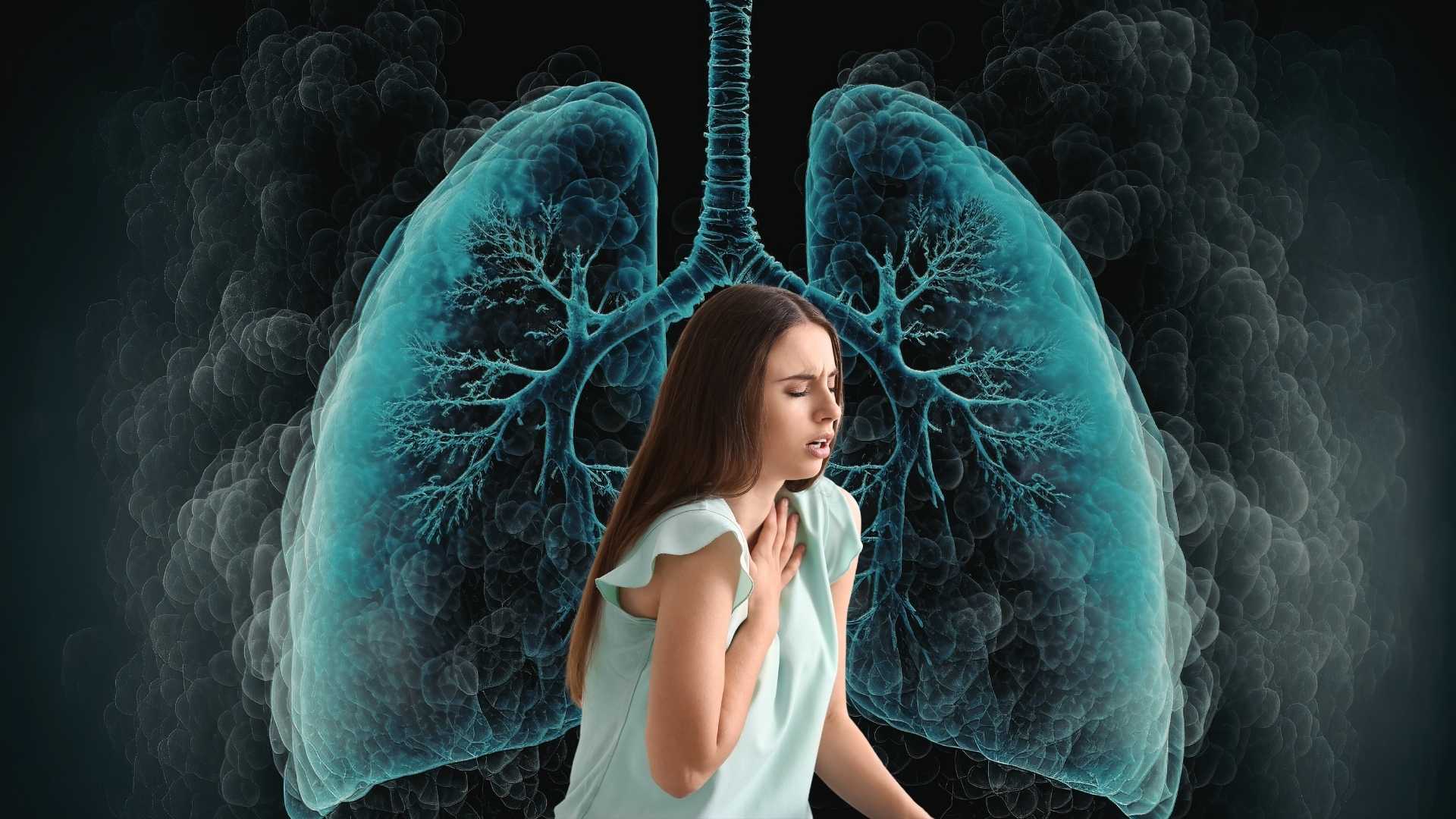
Understanding the Mental Health Challenges of TB Patients

INTRODUCTION
Tuberculosis (TB) remains a major public health challenge, with India accounting for the highest global burden—around 3 lakh deaths annually despite declining trends. Simultaneously, 1 in 7 Indians experiences mental health conditions, with prevalence rising to 30–50% among TB patients. The intersection of TB with mental health, undernutrition, and comorbidities reflects a complex “syndemic”, driven by poverty and social inequities. Addressing TB thus requires a holistic, person-centred approach beyond biomedical treatment.
BACKGROUND AND CONTEXT
- TB is not merely an infectious disease but a disease of inequity, closely linked to poverty, malnutrition, and weak health systems.
- High burden of mental illness, undernutrition, and non-communicable diseases (NCDs) aggravates TB outcomes.
- India’s National TB Elimination Programme (NTEP) has expanded services, yet outcomes remain uneven due to social determinants.
TB AND MENTAL HEALTH: A SYNDROMIC LINK
- Mental health conditions such as depression and anxiety affect at least one-third of TB patients.
- Higher burden (up to two-thirds) in drug-resistant TB cases.
- Stigma, fear of transmission, and social isolation worsen psychological distress.
Key Linkages
-
Pre-existing mental illness may delay TB diagnosis.
-
TB diagnosis can trigger new mental health conditions.
-
Untreated mental illness leads to:
- Poor treatment adherence
- Increased relapse and drug resistance
- Higher mortality, including suicide risk
Quote: WHO emphasises that “there is no health without mental health,” highlighting its centrality in disease outcomes.
SOCIO-ECONOMIC DETERMINANTS
-
Poverty, unemployment, and food insecurity act as common drivers of both TB and mental illness.
-
TB further deepens poverty through:
- Loss of income
- Increased healthcare costs
- Social exclusion
Cycle of Vulnerability
| Determinant | Impact on TB | Impact on Mental Health |
|---|---|---|
| Poverty | Increased exposure, poor immunity | Stress, depression |
| Malnutrition | Higher susceptibility, poor recovery | Cognitive and emotional distress |
| Stigma | Delayed care-seeking | Social isolation, anxiety |
ROLE OF UNDERNUTRITION IN TB BURDEN
-
Undernutrition contributes to ~40% of TB cases in India.
-
Severe undernutrition increases:
- Risk of death
- Drug toxicity
- Recurrence (≈10% within 2 years)
Evidence: RATIONS Trial (Jharkhand)
| Intervention | Outcome |
|---|---|
| Monthly food basket (10 kg) | Avg. weight gain ~4.5 kg |
| ≥5% weight gain in 2 months | >60% reduction in mortality |
| Pulses supplementation | ~50% reduction in new TB cases |
- Nutrition acts as a “social vaccine” against TB.
COMORBIDITIES AND INTEGRATED CARE
TB rarely exists in isolation; it intersects with multiple conditions:
Major Comorbidities
-
Diabetes:
- ~34% of TB patients (Chennai study)
- Poor glycemic control worsens outcomes
-
Chronic Respiratory Diseases (COPD, asthma)
-
Substance abuse (alcohol, tobacco)
Integrated Care Approach
- Bidirectional screening (TB ↔ Diabetes)
- Integration at Ayushman Arogya Mandirs
- Use TB as an entry point for holistic health screening
CHALLENGES IN TB MANAGEMENT
- Persistent social stigma at family, workplace, and community levels
- Lack of mental health integration in TB care
- Inadequate nutrition support coverage
- Fragmented vertical health programmes
- Shortage of trained mental health professionals, especially in rural areas
- High caregiver burden and stress
GOVERNMENT INITIATIVES AND POLICY RESPONSE
| Initiative | Key Features |
|---|---|
| NTEP | Free diagnosis & treatment, decentralised care |
| Ni-Kshay Poshan Yojana | ₹1,000/month DBT for nutrition |
| Ni-Kshay Mitra | Community-based nutritional support |
| DMHP (District Mental Health Programme) | Mental healthcare services |
| Ayushman Arogya Mandirs | Integrated primary healthcare |
Gaps
- Limited mental health screening in TB care
- Inconsistent nutritional interventions
- Weak inter-programme coordination
WAY FORWARD: TOWARDS PERSON-CENTRED CARE
-
Integrate mental health screening at multiple stages of TB treatment
-
Strengthen nutrition security through:
- Inclusion of pulses in PDS
- Expansion of food basket schemes
-
Scale up integrated care models (TB + NCDs + mental health)
-
Enhance community awareness to reduce stigma
-
Invest in human resources and training
-
Focus on vulnerable groups (tribals, migrants, rural poor)
Conceptual Shift
- From disease-specific care → person-centred care
- From treatment → prevention through social determinants
CONCLUSION
India’s TB challenge reflects deeper structural issues of poverty, malnutrition, and health system fragmentation. A purely biomedical approach is insufficient. Integrating mental health, nutrition, and comorbidity management within TB care can significantly improve outcomes and accelerate TB elimination. Ultimately, achieving Universal Health Coverage requires treating not just the disease, but the individual within their socio-economic context.
UPSC MAINS QUESTION (250 WORDS)
“Tuberculosis in India is not merely a biomedical problem but a reflection of socio-economic and health system challenges.” Discuss in the context of mental health, undernutrition, and the need for integrated healthcare approaches.
Attribution
Original content sources and authors

Syllabus classification
How this article maps to GS papers
Main syllabus
GS2HealthcareQuick Q&A
What is the relationship between tuberculosis (TB) and mental health, and how does it affect patient outcomes?
Impact on Treatment and Recovery: Mental health conditions significantly influence treatment adherence. Patients suffering from depression or anxiety are more likely to default on treatment, take medications irregularly, or discontinue therapy, leading to relapse or drug resistance. Additionally, co-existing issues such as alcohol or tobacco dependence further complicate treatment outcomes.
Broader Implications: The relationship between TB and mental health reflects a syndemic interaction, where biological, social, and psychological factors reinforce each other. Addressing mental health is therefore essential not only for improving individual outcomes but also for achieving broader public health goals such as TB elimination.
Why is stigma considered a major barrier in TB control, particularly in relation to mental health?
Impact on Mental Health and Care-Seeking: Stigma exacerbates mental health conditions such as depression and anxiety. Individuals may delay seeking diagnosis due to fear of social ostracism, which leads to late detection and increased transmission. For example, women and marginalized groups often face compounded stigma, affecting both their mental well-being and access to healthcare.
Policy Implications: Addressing stigma is crucial for improving health-seeking behaviour and treatment adherence. Community awareness campaigns, peer support groups, and survivor-led advocacy can play a vital role. Thus, reducing stigma is not just a social necessity but a critical public health intervention for TB control.
How can a syndemic and person-centred approach improve TB care outcomes in India?
Implementation Strategies: A person-centred approach involves integrating services such as mental health screening, nutritional support, and management of comorbidities into TB care. For instance, regular screening for depression and anxiety, along with access to counselling and medication, can improve treatment adherence. Similarly, integrating TB and diabetes care through bidirectional screening ensures early detection and better management of both conditions.
Benefits and Outcomes: This approach reduces delays in diagnosis, minimizes patient burden, and improves overall quality of life. Programs like Ayushman Arogya Mandirs aim to deliver such comprehensive care at the primary level. By focusing on the individual rather than the disease, a syndemic approach can significantly accelerate progress towards TB elimination.
Critically analyze the role of nutrition in TB prevention and treatment in India.
Evidence from RATIONS Trial: The RATIONS trial in Jharkhand demonstrated the effectiveness of food-based interventions. Patients receiving monthly food baskets showed significant weight gain and improved treatment outcomes. Notably, even a 5% weight gain in the initial months reduced mortality risk by over 60%, highlighting the critical role of nutrition.
Challenges and Way Forward: While initiatives like the Ni-Kshay Poshan Yojana provide financial support, gaps remain in ensuring adequate and balanced nutrition. Over-reliance on supplements may not be sustainable or culturally acceptable. Therefore, integrating nutrition security through public distribution systems and community support is essential. Nutrition must be treated as a core component of TB care, not an adjunct.
Illustrate with examples how integrated care models can address comorbidities like diabetes and respiratory diseases in TB patients.
Integration with Respiratory Care: Similarly, many individuals screened for TB are diagnosed with other respiratory conditions such as asthma or COPD. In pilot projects in Bihar and Tamil Nadu, thousands of such patients were identified and linked to care, demonstrating the benefits of integrated screening and treatment.
Broader Impact: These examples show that integrated care models reduce diagnostic delays, improve treatment outcomes, and enhance healthcare efficiency. By addressing multiple conditions simultaneously, they provide a holistic solution to complex health challenges, aligning with the goals of universal health coverage.
As a public health administrator, how would you design a comprehensive TB control strategy incorporating mental health, nutrition, and comorbidity management?
Key Interventions: The strategy would include:
- Strengthening nutritional support through food baskets and public distribution systems
- Integrating mental health services with trained counsellors and peer support groups
- Ensuring bidirectional screening for TB and diabetes
- Leveraging primary healthcare platforms like Ayushman Arogya Mandirs
Implementation and Sustainability: Capacity building of healthcare workers, digital monitoring systems, and community engagement would be critical for success. Special focus should be given to vulnerable groups such as tribal populations and migrants. Such a strategy would ensure person-centred, equitable, and effective TB care, accelerating India’s progress towards elimination.
Practice questions
1 question for mains preparation