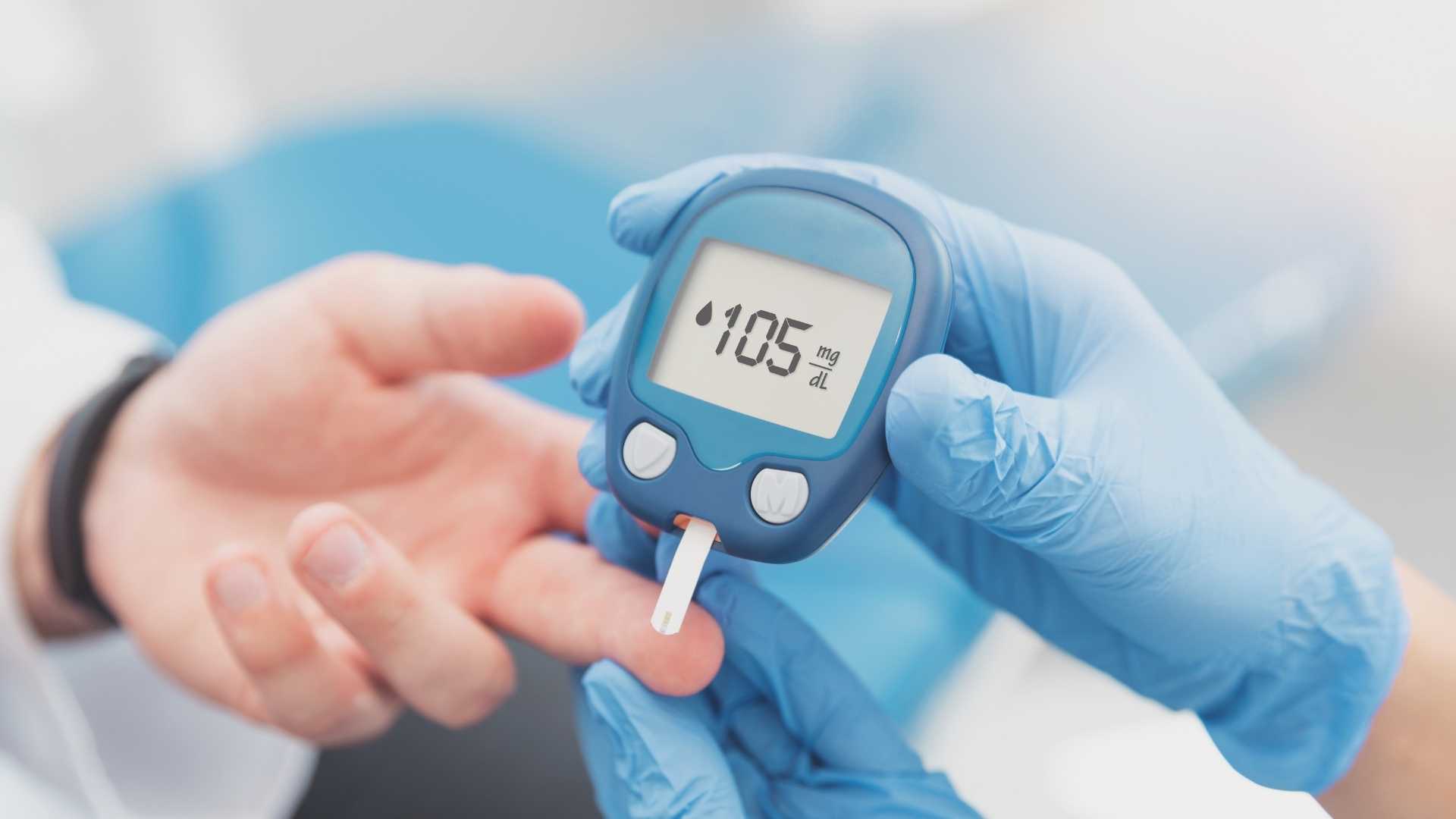
Preventing Diabetes Before Birth for Future Generations
India’s Growing Diabetes Burden
- India faces one of the largest metabolic disease burdens in the world.
- Around 101 million people live with diabetes, and 136 million are prediabetic.
- According to the International Diabetes Federation (IDF), global diabetes cases may reach 783 million by 2045.
- Without strong preventive strategies, India will account for a significant share of this rise.
Key Insight: Traditional prevention strategies mainly target adults or adolescents, but emerging research suggests that diabetes risk may begin much earlier — during pregnancy.
Gestational Diabetes Mellitus (GDM)
Definition
- Gestational Diabetes Mellitus (GDM) refers to glucose intolerance first detected during pregnancy.
Magnitude
- Affects nearly 1 in 5 pregnancies globally.
Health implications
For mothers:
- Higher risk of developing Type 2 diabetes later in life.
For children:
-
Greater likelihood of developing
- Obesity
- Insulin resistance
- Type 2 diabetes in adulthood
Interpretation: GDM is not merely a temporary pregnancy complication; it can initiate an intergenerational cycle of metabolic diseases.
Foetal Programming and the Foetal Origins Hypothesis
Concept
- The foetal origins hypothesis proposes that conditions in the womb influence long-term health outcomes.
Mechanism
When a pregnant woman has high blood glucose levels:
- The foetus receives excess glucose.
- The foetal pancreas produces more insulin to manage the excess sugar.
- This leads to foetal hyperinsulinaemia.
Long-term consequences
-
Altered metabolism in the child.
-
Increased risk of:
- Obesity
- Insulin resistance
- Type 2 diabetes later in life.
Implication
- Diabetes risk is not only genetic.
- It can be metabolically programmed before birth.
Why the Timing of Screening Matters
Research supported by the U.S. National Institutes of Health (NIH) suggests:
- Foetal pancreatic beta cells begin secreting insulin around the 11th week of pregnancy.
Critical implication
- If maternal blood sugar is high before this stage, the foetus may develop permanent metabolic changes.
Current practice
- GDM screening is typically done in the second trimester (24–28 weeks).
Problem
- By this time, foetal programming may already have occurred.
Required shift
- Screening should occur in the first trimester, ideally before the 10th week of pregnancy.
Early Gestational Glucose Intolerance (EGGI)
A preventive diagnostic stage can be introduced before GDM develops.
Screening approach
- Conduct a two-hour Postprandial Blood Glucose (PPBG) test around 8 weeks of pregnancy.
Diagnostic marker
- PPBG >110 mg/dL may indicate Early Gestational Glucose Intolerance (EGGI).
Intervention window
- Approximately two weeks (8th–10th week) are available to normalize maternal glucose levels.
Possible interventions
- Medical nutrition therapy
- Lifestyle modification
- Low-dose metformin (under medical supervision)
Target
- Maintain PPBG below 110 mg/dL.
Significance
- The strategy is low-cost, simple, and scalable, making it feasible for district hospitals and primary healthcare centres.
Evidence from Indian Research
A multicentre study (2022–2024) conducted at:
- Madras Medical College
- Lady Hardinge Medical College, New Delhi
Findings
- First-trimester postprandial glucose levels can predict the risk of GDM.
- Early identification and intervention reduce the likelihood of progression to full gestational diabetes.
Implication
- Early pregnancy screening could become an important tool in India’s fight against non-communicable diseases.
Policy Opportunities for India
India has previously implemented large-scale public health programmes, such as:
- Polio eradication
- Universal immunisation expansion
A similar national strategy could be applied to early pregnancy glucose screening.
Key policy measures
-
Preconception counselling
- Improve metabolic health before pregnancy.
-
Mandatory antenatal registration by 8 weeks
- Ensures early contact with the health system.
-
Universal first-trimester glucose screening
- Early detection of EGGI.
Long-Term Public Health Impact
Early intervention during pregnancy could:
-
Reduce Gestational Diabetes Mellitus incidence.
-
Prevent intergenerational transmission of metabolic disorders.
-
Lower future burden of:
- Type 2 diabetes
- Cardiovascular diseases
-
Decrease long-term healthcare expenditure.
Link with India’s Development Vision
India aims to become a developed nation by 2047.
Achieving this requires:
- Improved population health
- Lower non-communicable disease burden
- Healthier future generations
Strategic insight
- Preventing diabetes before birth is a scientifically grounded public health strategy.
Conclusion
- The first 10 weeks of pregnancy may represent the most critical window for diabetes prevention.
- Early glucose screening can interrupt the cycle of intergenerational metabolic disease.
- If implemented nationwide, antenatal clinics could become the frontline of diabetes prevention in India, shifting the focus from treatment to pre-birth prevention.
Attribution
Original content sources and authors
Syllabus classification
How this article maps to GS papers
Main syllabus
GS2HealthcareQuick Q&A
What is Gestational Diabetes Mellitus (GDM) and how does it contribute to the growing burden of diabetes in India?
India’s public health system faces a major challenge because of the scale of the diabetes epidemic. According to available estimates, the country has over 101 million people living with diabetes and another 136 million prediabetic individuals. In this context, GDM represents a critical early-life driver of the diabetes burden. Since nearly one in five pregnancies globally may be affected by gestational diabetes, failure to detect and manage it effectively can contribute to the intergenerational transmission of metabolic diseases.
The implications are significant for public health policy:
- Maternal health risks: Higher likelihood of developing Type 2 diabetes and cardiovascular disease later in life.
- Child health outcomes: Increased risk of childhood obesity and adult metabolic disorders.
- Healthcare costs: Long-term treatment of chronic diseases places pressure on public health systems.
Thus, GDM is not merely a pregnancy-related condition but a critical entry point for addressing India’s long-term non-communicable disease burden. Recognizing and managing it effectively can play a key role in reducing the prevalence of diabetes across generations.
Why is the concept of ‘foetal programming’ important for understanding the intergenerational transmission of diabetes?
This phenomenon demonstrates that the origins of many chronic diseases may begin before birth. Exposure to adverse metabolic environments in the womb can lead to long-term changes in how the body regulates blood sugar, stores fat, and responds to insulin. As a result, individuals exposed to high maternal glucose levels may be more likely to develop obesity, insulin resistance, and Type 2 diabetes during adulthood.
The concept has major implications for public health policy:
- Early-life interventions: Preventive strategies must begin during pregnancy rather than in adulthood.
- Intergenerational health: Addressing maternal health can improve the health outcomes of future generations.
- Preventive healthcare approach: Emphasizes prevention rather than long-term disease management.
For a country like India, which faces a rapidly increasing burden of metabolic diseases, the idea of foetal programming underscores the importance of maternal health policies. By managing maternal glucose levels during pregnancy, policymakers can potentially reduce the future incidence of diabetes and other non-communicable diseases, thereby improving population health outcomes over the long term.
How can early pregnancy screening help in preventing gestational diabetes and its long-term consequences?
To address this issue, researchers have proposed a simple and scalable screening strategy using a two-hour postprandial blood glucose (PPBG) test around the eighth week of pregnancy. If glucose levels exceed a threshold of approximately 110 mg/dL, the condition may be classified as Early Gestational Glucose Intolerance (EGGI), a pre-GDM stage. This early detection creates a narrow window of intervention before long-term metabolic changes occur in the foetus.
Possible interventions following early detection include:
- Medical nutrition therapy: Dietary changes designed to stabilize blood glucose levels.
- Lifestyle modification: Physical activity and weight management.
- Medication: Supervised use of low-dose metformin where necessary.
Importantly, this approach is feasible even in resource-constrained settings. The PPBG test does not require expensive equipment or advanced biomarkers and can be conducted in district hospitals and primary health centres. If implemented effectively, early pregnancy screening could become a powerful tool in reducing both gestational diabetes and future diabetes prevalence across the population.
What factors explain the rapid rise of diabetes and prediabetes in India, making early-life interventions increasingly necessary?
Several structural factors contribute to this trend:
- Urbanisation and lifestyle changes: Sedentary lifestyles, high-calorie diets, and reduced physical activity.
- Genetic susceptibility: South Asians have a higher predisposition to insulin resistance.
- Obesity and metabolic syndrome: Rising rates of overweight and obesity among adults and children.
- Early-life metabolic influences: Adverse conditions during pregnancy that program future metabolic risks.
Traditional public health approaches have largely focused on treating diabetes in adulthood. However, this strategy addresses the problem only after metabolic damage has already occurred. Increasing evidence suggests that prevention must begin much earlier in the life course — even before birth.
Recognizing these factors, public health experts now advocate a life-cycle approach to disease prevention. Interventions targeting maternal health, early childhood nutrition, and lifestyle behaviour could significantly reduce the long-term burden of non-communicable diseases. Thus, early-life interventions such as gestational diabetes screening represent a crucial shift toward preventive healthcare.
What evidence from India supports the effectiveness of early detection and intervention for gestational diabetes?
The findings indicated that identifying women with elevated postprandial blood glucose early in pregnancy helped reduce the likelihood of progression to full gestational diabetes later in pregnancy. Early detection allowed doctors to initiate interventions such as dietary counselling, lifestyle changes, and glucose monitoring before metabolic complications became severe.
The significance of these findings lies in several areas:
- Preventive potential: Early detection can prevent or delay the onset of GDM.
- Improved maternal outcomes: Better glycaemic control during pregnancy reduces complications such as preeclampsia.
- Better child health outcomes: Reduced exposure to high maternal glucose improves long-term metabolic health of the child.
India has previously demonstrated the ability to implement large-scale preventive health programmes successfully. Campaigns such as polio eradication and universal immunisation illustrate the effectiveness of coordinated public health interventions. Similar large-scale implementation of early gestational screening could therefore be a feasible and impactful strategy.
These findings highlight that relatively simple interventions during early pregnancy can generate long-term health benefits, making early detection a crucial component of India’s strategy to combat non-communicable diseases.
Critically examine the proposal for universal early pregnancy glucose screening as a national public health strategy in India.
The potential advantages of this strategy include:
- Intergenerational disease prevention: Preventing metabolic programming can reduce future diabetes prevalence.
- Cost-effectiveness: Early interventions may reduce long-term healthcare costs associated with chronic diseases.
- Scalability: Simple blood glucose tests can be implemented even in primary healthcare settings.
However, several challenges must be considered before implementing universal screening. First, early antenatal registration remains inconsistent in many parts of India, particularly in rural and underserved regions. Second, health systems may face capacity constraints in terms of trained personnel, laboratory infrastructure, and follow-up care. Third, socioeconomic inequalities may limit access to early prenatal care for vulnerable populations.
Despite these challenges, integrating early gestational screening into existing maternal health programmes such as Pradhan Mantri Surakshit Matritva Abhiyan (PMSMA) and strengthening primary healthcare infrastructure could help overcome implementation barriers. Therefore, while universal screening requires careful planning and resource allocation, it holds significant promise as a transformative public health strategy.
Assume you are a public health policymaker tasked with reducing India’s future diabetes burden. How would you design a national strategy based on early gestational intervention?
The national strategy could include the following key components:
- Preconception counselling: Educating women about healthy nutrition, weight management, and metabolic health before pregnancy.
- Mandatory early antenatal registration: Ensuring that all pregnancies are registered within the first eight weeks.
- Universal first-trimester glucose testing: Implementing PPBG testing at primary healthcare centres across the country.
- Nutritional and lifestyle interventions: Providing counselling and support for women identified with early glucose intolerance.
Implementation would require coordination between various government programmes, including the National Health Mission (NHM), maternal health initiatives, and non-communicable disease control programmes. Digital health platforms could also help track screening results and ensure follow-up care.
International experiences show that maternal health interventions can produce long-term benefits. Countries that have invested heavily in maternal and early childhood health programmes have achieved improvements in population health indicators. India could replicate similar outcomes by integrating early gestational screening into routine maternal healthcare services.
Ultimately, preventing diabetes before birth represents a strategic shift from reactive healthcare to proactive public health planning. By addressing metabolic risks during pregnancy, India can protect both current and future generations from the growing burden of diabetes.
Practice questions
1 question for mains preparation