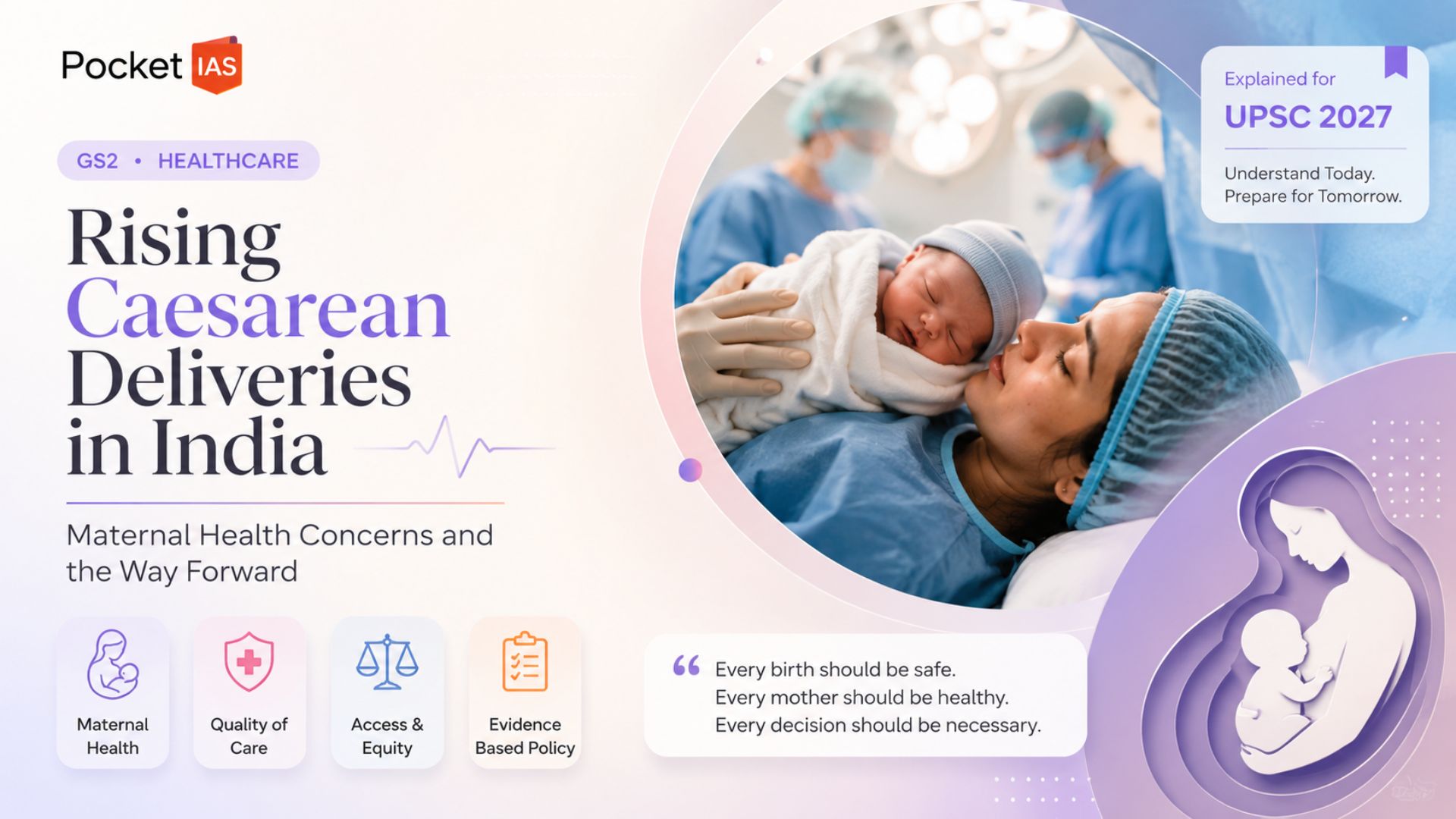
Rising C-Section Deliveries in Delhi: A Growing Concern

"Caesarean sections save lives when medically indicated, but their increasing use raises important questions about maternal health, healthcare practices, and informed choice." — World Health Organization (WHO)
India is witnessing a significant rise in caesarean section (C-section) deliveries. Recent National Family Health Survey (NFHS) data indicate that both Delhi and the country as a whole have experienced a sharp increase in surgical births, sparking debate over whether all such procedures are medically necessary.
Understanding Caesarean Section
A Caesarean section is a surgical procedure used to deliver a baby through incisions made in the mother's abdomen and uterus.
When Is It Required?
- Foetal distress
- Obstructed labour
- Multiple pregnancies
- Placental complications
- Hypertension during pregnancy
- Gestational diabetes
- Previous high-risk C-section
The WHO emphasizes that C-sections are beneficial and often life-saving when medically justified.
Rising Trend in Delhi and India
Caesarean Delivery Rates
| Region | 2019-21 | 2023-24 |
|---|---|---|
| Delhi | 23.6% | 27.4% |
| India | 21.5% | 27.2% |
The trend indicates a steady increase in surgical deliveries across both urban and national populations.
Public-Private Divide
A striking feature of the NFHS data is the difference between public and private healthcare facilities.
| Type of Facility | C-Section Rate |
|---|---|
| Private Hospitals | 50.9% |
| Public Hospitals | 19.6% |
This gap has generated concerns regarding the possible overuse of C-sections in private healthcare settings.
Why Are C-Sections Increasing?
1. Delayed Pregnancies
Many women are now conceiving in their 30s, increasing the likelihood of pregnancy-related complications.
Associated Medical Conditions
- Obesity
- Gestational diabetes
- Hypertension
- High-risk pregnancies
These conditions often make surgical delivery medically advisable.
2. Patient Preference for Painless Childbirth
Doctors report increasing demand for elective C-sections.
Reasons cited by some patients:

• Fear of labour pain
• Desire for planned delivery dates
• Perception of greater convenience
• Anxiety regarding complications during labour
Experts note that some doctors may not strongly discourage such requests due to concerns about complications and legal liability.
3. Environmental Factors
Emerging evidence suggests that poor air quality may indirectly influence pregnancy outcomes.
Conditions Associated with Air Pollution
- Preterm birth
- Foetal growth restriction
- Hypertensive disorders during pregnancy
While no direct causal relationship has been established, these complications can increase the likelihood of Caesarean delivery.
Medical Concerns Associated with Excessive C-Sections
According to WHO, unnecessary surgical deliveries may expose both mother and child to avoidable risks.
Short-Term Risks
- Surgical complications
- Infection
- Excessive bleeding
- Longer recovery period
Long-Term Risks
- Complications in future pregnancies
- Placental abnormalities
- Increased surgical risks in subsequent births
WHO Position:

C-sections should be performed
when medically necessary and not
as a routine alternative to
normal vaginal delivery.
Why Experts Are Concerned
Researchers emphasize that the key question is not whether C-sections are increasing, but whether every procedure is medically justified.
Important Limitation
NFHS data reveal:
- Number of C-sections
- Sector-wise trends
But do not reveal:
- Medical indications
- Clinical necessity
- Patient-provider decision-making process
As a result, experts call for deeper investigation.
Areas Requiring Further Examination
Suggested Focus Areas
- Clinical audits of C-section cases
- Public-private hospital comparisons
- Patient preferences and awareness
- Provider incentives and practices
- Regional differences in maternal healthcare
Example:

A medically necessary C-section
can save lives.

An unnecessary C-section may
increase risks without improving
health outcomes.
Way Forward
- Improve documentation of medical indications for every C-section.
- Strengthen maternal health audits and monitoring systems.
- Expand access to labour pain management services.
- Encourage informed decision-making through patient counselling.
- Promote second opinions before non-emergency C-sections.
- Increase transparency in private healthcare facilities.
- Strengthen antenatal care to reduce preventable complications.
- Focus on appropriate use rather than restricting necessary procedures.
Conclusion
The rise in Caesarean deliveries reflects changing demographic, medical, and social realities in India. While C-sections remain a critical life-saving intervention, concerns arise when surgical deliveries exceed medically justified levels. Ensuring evidence-based decision-making, greater transparency, and informed maternal choice will be essential for balancing patient safety with quality maternal healthcare.
Attribution
Original content sources and authors


Syllabus classification
How this article maps to GS papers
Main syllabus
GS2HealthcareQuick Q&A
What explains the rising trend of caesarean section deliveries in India and why is it significant for public health and healthcare systems?
Why has the widening gap between private and public sector caesarean delivery rates become a matter of concern in India?
What are the major medical, social and environmental reasons responsible for the increasing demand for caesarean section deliveries in India?
Critically analyse the implications of rising caesarean section rates for maternal health, healthcare equity and health governance in India.
How can India ensure appropriate use of caesarean sections while safeguarding maternal health and improving healthcare accountability?
What lessons can policymakers derive from the recent rise in caesarean section deliveries in Delhi and across India as a case study in healthcare governance?
Practice questions
1 question for mains preparation