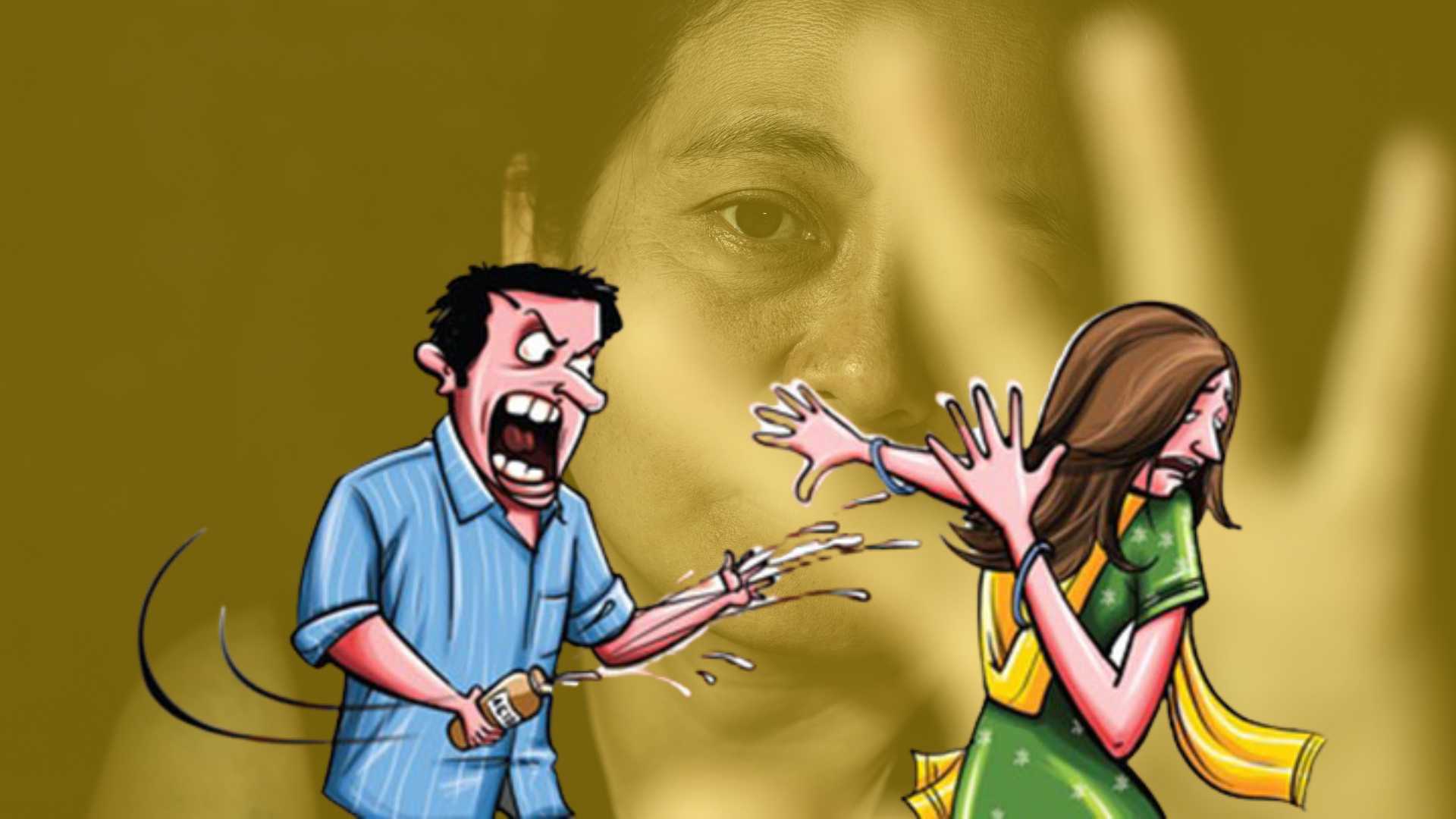

1. Context: Acid Attacks as a Persistent Criminal Justice Challenge
Acid attacks represent one of the most extreme forms of gendered violence, causing irreversible physical, psychological, and social harm. Despite criminalisation and enhanced punishment under Indian law, the offence continues to be reported across several States, indicating gaps in deterrence, enforcement, and victim rehabilitation.
The Supreme Court’s January 2026 observations arise from a petition highlighting both the brutality of the crime and the inadequacy of existing responses. The Court’s intervention signals judicial concern that conventional sentencing and compensation mechanisms have failed to match the gravity of harm inflicted on survivors.
From a governance perspective, acid attacks test the State’s capacity to protect bodily integrity, ensure gender justice, and deliver timely compensation. Weak responses risk normalising impunity and undermining trust in the criminal justice system.
The logic is that when punishment and rehabilitation frameworks do not reflect the severity of harm, crimes with high social impact persist, eroding both deterrence and institutional credibility.
2. Supreme Court’s Shift Towards Extraordinary Punitive Measures
The Supreme Court emphasised that acid attacks warrant “extraordinary punitive measures” beyond routine sentencing norms. It rejected the applicability of a purely reformative approach, underscoring that certain crimes demand exemplary punishment to protect vulnerable groups, especially women and children.
The Court’s stance reflects a broader judicial philosophy that punishment must align with the nature of harm, not merely the offender’s socio-economic background. This marks a shift from offender-centric mitigation to victim-centric justice in cases of extreme violence.
By likening acid attacks to crimes such as dowry death, the Court highlighted the need for differentiated sentencing and possible statutory exceptions within general penal frameworks.
“The crime of acid attacks should result in extraordinary punitive measures which are beyond the letters of the law.” — Chief Justice of India, Surya Kant
If sentencing remains generic, the justice system fails to signal societal intolerance for such crimes, weakening deterrence and victim confidence.
3. Asset Seizure and Victim Compensation as Deterrence
The Court proposed that assets of convicted acid attackers be seized and auctioned to compensate victims. It suggested proactive investigation of offenders’ assets during the chargesheet stage and judicial embargo on transferring such assets.
This approach seeks to integrate punishment with restorative justice by directly linking offender liability to victim rehabilitation. It also addresses the chronic inadequacy and delay in State-funded compensation schemes.
The proposal raises important governance questions on balancing due process with victim rights, but it underscores the judiciary’s intent to make consequences “extremely painful” for perpetrators.
The reasoning is that economic consequences, when transparently enforced, enhance deterrence and reduce reliance on often-delayed State compensation mechanisms.
4. Lived Reality of Survivors and Systemic Gaps
Testimony before the Court revealed the prolonged trauma faced by survivors, including repeated surgeries, loss of identity, and decades-long legal battles. Delayed trials and acquittals further compound psychological and social harm.
The Court acknowledged these failures by assuring legal aid and urging expedited hearings. This reflects recognition that procedural delays can amount to secondary victimisation.
Survivor narratives highlight that justice is not limited to conviction but includes timely adjudication, effective rehabilitation, and sustained State support.
“The pain is so bad… One loses a sense of identity.” — Shaheen Malik, acid attack survivor
When procedural inefficiencies persist, survivors are effectively denied substantive justice, undermining the purpose of criminal law.
5. Data on Acid Attacks and Federal Accountability
The Supreme Court directed States to submit detailed data on acid attack incidents, prosecutions, victim profiles, and rehabilitation expenditure. This reflects an attempt to address policy blindness caused by fragmented data.
Reports from 15 High Courts revealed significant pendency, indicating uneven enforcement and judicial capacity across States.
Statistics:
- Uttar Pradesh: 198 pending cases
- West Bengal: 160
- Gujarat: 114
- Bihar: 68
- Maharashtra: 58
Such data-driven oversight is critical for evaluating the effectiveness of laws and schemes at the State level.
Without reliable data, policy responses remain reactive, preventing targeted interventions and accountability in a federal system.
6. Call for Legislative and Policy Interventions
The Court urged the Union government to consider legislative changes, including shifting the burden of proof and carving out exceptions in sentencing policy for acid attacks. This indicates judicial dissatisfaction with the sufficiency of existing statutory frameworks.
It also sought details of special schemes for survivors, signalling that rehabilitation must extend beyond medical treatment to education, employment, and social reintegration.
These directions align with GS-II concerns of Centre–State coordination, legal reform, and welfare delivery.
If legislative and policy frameworks remain static, judicial interventions alone cannot ensure uniform and sustainable victim protection.
7. Way Forward: Integrating Deterrence with Rehabilitation
A comprehensive response requires aligning criminal law, compensation mechanisms, and rehabilitation policies. Judicial directions must be complemented by administrative capacity and legislative clarity.
Policy Measures:
- Dedicated statutory provisions for asset-based victim compensation
- Time-bound trials and appeals in acid attack cases
- Uniform national rehabilitation standards across States
Such integration ensures that punishment deters future crimes while rehabilitation restores survivor dignity.
Ignoring this integration risks perpetuating cycles of violence, litigation fatigue, and uneven justice delivery.
Conclusion
The Supreme Court’s intervention reframes acid attacks as crimes demanding exceptional legal and policy responses. By linking deterrent punishment with victim-centric compensation and data-driven oversight, it highlights the need for systemic reform. Long-term governance outcomes depend on translating these judicial signals into coherent legislation, efficient administration, and sustained rehabilitation frameworks.
Attribution
Original content sources and authors


Syllabus classification
How this article maps to GS papers
Main syllabus
GS2JudiciaryQuick Q&A
What are acid attacks, and why are they considered particularly heinous crimes in India?
Why they are heinous: Acid attacks are not only physically destructive but also socially and psychologically traumatic. Victims often face lifelong disfigurement, loss of identity, social ostracisation, and severe mental health consequences. Recovery involves extensive medical treatment, including multiple reconstructive surgeries, and long-term rehabilitation.
Indian context: Despite legal provisions under the Indian Penal Code and the Prevention of Cruelty to Women Acts, acid attacks remain a persistent challenge. The Supreme Court has emphasized that these crimes should be treated as 'extraordinary', warranting punitive measures beyond conventional sentencing due to the extreme suffering caused to victims and the need for strong deterrence.
Why did the Supreme Court recommend seizing and auctioning assets of convicted acid attackers?
Legal and social rationale: The Court noted that reformative approaches are inappropriate for acid attackers due to the extreme and lifelong harm caused to victims. Confiscating and auctioning assets ensures victims are not left uncompensated and sends a clear message that such crimes will attract extraordinary consequences.
Practical implications: Police investigations into assets, chargesheet submissions including financial details, and court oversight are critical. This approach aligns with victim-centered justice, ensuring that societal resources are mobilized to support recovery, medical treatment, and rehabilitation, making justice both restorative and deterrent.
How can legislative interventions improve protection and justice for acid attack survivors in India?
Proposed interventions: The Supreme Court has urged the Centre to consider carving out acid attacks as a distinct offense with higher punitive provisions, akin to dowry death. Legislative measures could include:
- Mandatory compensation from the offender.
- Fast-track trials with strict timelines.
- Automatic entitlement to free medical care and rehabilitation schemes.
- Special provisions for tracking and penalizing offenders’ assets.
Impact: Such legislative clarity would provide certainty, ensure prompt justice, and strengthen deterrence, reducing the recurrence of attacks and promoting societal awareness of the gravity of the crime.
What are the key reasons for delays and inadequate compensation in acid attack cases in India?
Administrative and systemic challenges: Lack of robust mechanisms for victim support, delayed or absent medical and psychological aid, and inadequate monitoring of compensation schemes exacerbate survivors’ suffering. States often fail to implement rehabilitation schemes or track cases efficiently.
Socio-economic factors: Many victims belong to vulnerable groups, with limited access to legal aid or resources to pursue justice. Cultural stigma and societal pressures further hinder reporting and effective prosecution, underscoring the need for integrated legal, administrative, and social support structures.
Can you give examples of measures that have been suggested to compensate and rehabilitate acid attack survivors?
Medical and psychological support: Free and immediate access to reconstructive surgeries, critical care, prosthetics, and mental health services. For instance, Delhi and West Bengal have hospital-based schemes providing reconstructive treatment for survivors.
Legal support: Appointment of competent legal aid counsel, fast-track courts, and proactive monitoring by the judiciary. The Supreme Court has directly intervened to ensure survivors receive high-quality legal representation.
Societal reintegration: Support for vocational training, education, and employment to help survivors regain independence. A holistic approach encompassing medical, financial, legal, and social support is critical to restore dignity and functionality.
Critically analyse the Supreme Court’s approach of asset seizure for acid attack convicts as a deterrent mechanism.
- Ensures tangible compensation for victims, addressing long-standing gaps in victim rights.
- Acts as a strong deterrent by creating severe economic consequences for perpetrators.
- Signals societal intolerance for such crimes and aligns punishment with the gravity of harm caused.
Cons and challenges:
- Many perpetrators may have limited assets, reducing the effectiveness of the measure.
- Implementation requires robust asset tracking, legal clarity, and inter-agency coordination.
- Potential legal challenges could arise regarding third-party claims or property rights.
Overall evaluation: While not foolproof, asset seizure complements other punitive and rehabilitative measures, representing a progressive shift toward victim-centered justice and stronger deterrence in the Indian context.
How does the case of Shaheen Malik illustrate the gaps in the justice and rehabilitation system for acid attack survivors in India?
Illustration of gaps:
- Legal delays: A 16-year fight exemplifies judicial backlog and slow appeal processes.
- Inadequate support: Lack of timely legal aid, rehabilitation assistance, and medical coverage.
- Psychological trauma: The case underscores the enduring mental and social impact on survivors, including loss of identity and employment challenges.
Lessons for policy: The case demonstrates the urgent need for:
- Fast-track courts for violent crimes against women.
- Integrated compensation and rehabilitation mechanisms.
- Judicial and legislative interventions to ensure deterrence, victim protection, and systemic accountability.
Practice questions
1 question for mains preparation