GS3 Environment & Bio-diversity
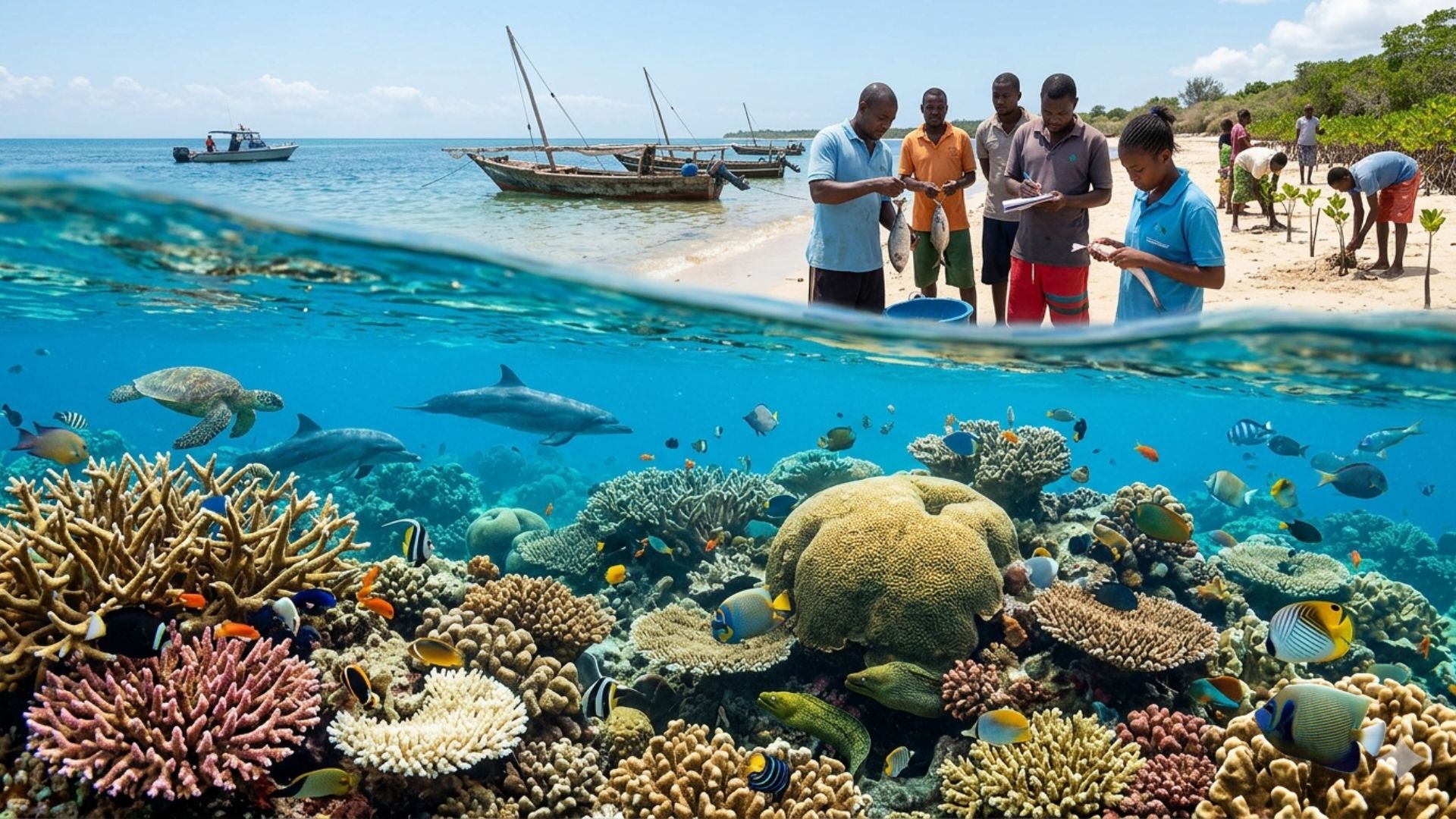
Climate-Resilient Coral Reefs: A Ray of Hope for Ocean Conservation

“Our models are showing a much more hopeful future for coral reefs.” — Stacy Jupiter, Wildlife Conservation Society (WCS)
Coral reefs are among the most biodiverse ecosystems on Earth, supporting marine life, fisheries, coastal protection, and tourism. While climate change has long been projected to cause widespread coral loss, new research suggests that a significant portion of the world's reefs may possess greater resilience than previously believed.
Why Coral Reefs Matter
Coral reefs provide:
- Habitat for nearly 25% of marine species
- Coastal protection against storms and erosion
- Livelihoods through fishing and tourism
- Critical support for marine biodiversity
• Fisheries and food security
• Tourism revenue
• Coastal protection
• Biodiversity conservation
• Carbon and nutrient cycling
New Findings on Climate-Resilient Reefs
A study by the Wildlife Conservation Society (WCS) and Macquarie University, presented at the Our Ocean Conference in Mombasa, Kenya, identified a substantial area of coral reefs with high climate resilience.
| Key Finding | Details |
|---|---|
| Climate-resilient reefs identified | 1,66,000 sq. km |
| Share of global coral reefs | About one-third |
| Protected resilient reefs | Only 28% |
| Research status | Under peer review |
| Funding support | Bloomberg Ocean Initiative |
The findings challenge earlier projections by the Intergovernmental Panel on Climate Change (IPCC).
| IPCC Projections | Coral Loss |
|---|---|
| 1.5°C warming | 70–90% decline |
| 2°C warming | Up to 99% decline |
The new research indicates that many reefs may survive warming events due to inherent resilience and adaptive capacity.
What Makes Some Reefs Climate-Resilient?
The study highlights several factors that improve survival chances:
- Location in naturally cooler ocean regions
- Evolutionary adaptation to heat stress
- Faster recovery after bleaching events
- Strong ecological connectivity
“The way we see coral responding to heat events is more nuanced than we previously thought.” — Stacy Jupiter
Understanding Coral Bleaching
Coral bleaching occurs when rising sea temperatures stress corals.
Process
Increase in sea temperature
          ↓
Stress on coral tissues
          ↓
Expulsion of symbiotic algae
          ↓
Corals turn white (bleaching)
          ↓
Potential mortality if stress persists
Even a temperature increase of one or two degrees Celsius can trigger bleaching.
Kenya: A Model of Community-Based Conservation
Kenya's coast contains extensive stretches of naturally resilient coral reefs.
The Wasini-Mkwiro region demonstrates how local stewardship can strengthen marine conservation.
Community Initiatives
- Monitoring fish catches
- Recording biodiversity data
- Preventing overfishing
- Restricting destructive fishing practices
- Mangrove restoration
- Seaweed cultivation
- Coastal clean-up activities
Beach Management Units:
• Patrol marine waters
• Regulate fishing activities
• Restore mangroves
• Remove marine litter
• Collect ecological data
According to local conservation officials, maintaining healthy ecosystems supports both fisheries and tourism-dependent livelihoods.
Evidence of Recovery
The resilience of Kenya's reefs was demonstrated during the major bleaching event of 2024.
| Indicator | Before Bleaching | After Bleaching | One Year Later |
|---|---|---|---|
| Coral Cover | 44% | 27% | 40% |
The rapid rebound highlights the recovery potential of resilient reef systems.
Advances in Mapping Technology
The new research builds upon a landmark 2018 study that identified only 50 resilient reefs worldwide.
Recent technological improvements have transformed reef mapping:
- Map resolution increased by 10,000 times
- Three times more resilient coral reefs identified
- Greater precision in conservation planning
Major Concentrations of Resilient Reefs
More than half of identified resilient reefs are located in:
- Australia
- Bahamas
- Cuba
- Indonesia
- Philippines
Way Forward
- Expand protection to resilient reef areas currently outside conservation zones.
- Strengthen community-led marine management systems.
- Integrate resilient reef mapping into national conservation strategies.
- Reduce local stressors such as overfishing and pollution.
- Restore mangroves and other coastal ecosystems.
- Enhance global efforts to limit greenhouse gas emissions.
Conclusion
The discovery of extensive climate-resilient coral reefs offers a rare source of optimism in the climate change discourse. While coral ecosystems remain vulnerable to ocean warming, scientific advances reveal that many reefs possess the capacity to survive and recover. Protecting these "living seed-banks" through conservation, community participation, and climate action can play a crucial role in safeguarding the future of marine biodiversity.
Attribution
Original content sources and authors


Syllabus classification
How this article maps to GS papers
Main syllabus
GS3Environment & Bio-diversityQuick Q&A
What is climate resilience in coral reefs and why is it significant for marine ecosystems and global climate governance?
Why are climate-resilient coral reefs increasingly important for policymakers, environmental conservation, and UPSC aspirants studying climate change?
How do coral reefs respond to ocean warming events and what mechanisms enable certain reefs to recover faster than others?
What are the major reasons behind the survival and persistence of certain coral reefs despite increasing climate change pressures worldwide?
What lessons can be drawn from the Wasini-Mkwiro and Kisite Marine Park conservation model for sustainable coastal management?
What is the critical analysis of recent findings on climate-resilient coral reefs and how do they compare with earlier IPCC assessments?
Practice questions
1 question for mains preparation