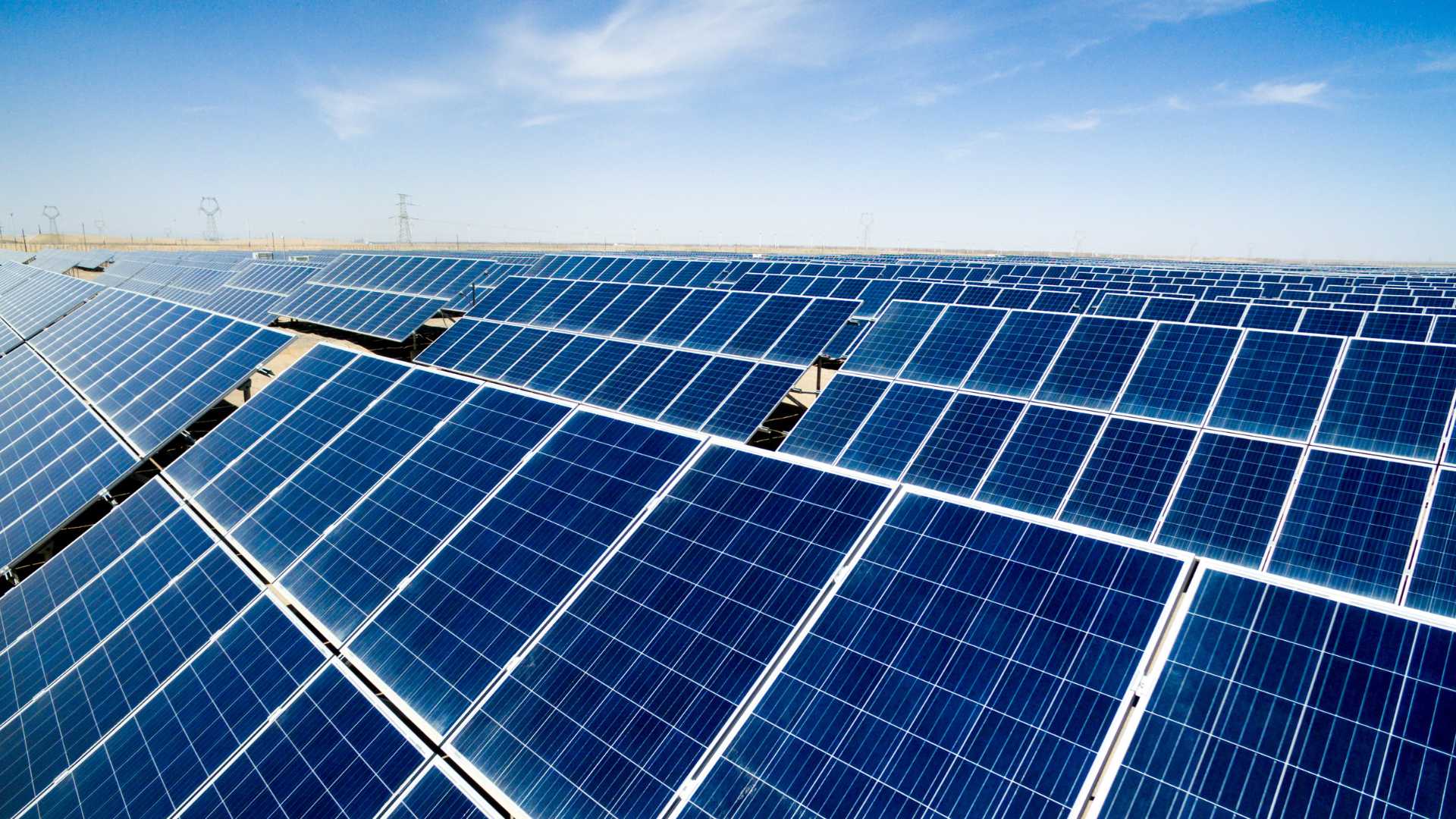
The Land Cost of Biofuels: Why Solar Could Power the World’s Roads Instead

Biofuels, Land Use, and Solar Electrification:
1. Context: Changing Pathways of Low-Carbon Transport
- In the early 2000s, biofuels were viewed as the primary technological solution for low-carbon transport.
- This preference was shaped by:
- High costs and limited feasibility of electric vehicles (EVs)
- Compatibility of biofuels with existing vehicles and fuel infrastructure
- Over time, EV technology improved rapidly, yet biofuel production continued to expand.
Why it matters for governance and development
- Policy choices often persist due to institutional inertia.
- Failure to update strategies in line with technological change can lead to inefficient resource allocation.
Governance logic:
Energy transitions must remain adaptive. If outdated solutions continue unchecked, climate goals may be delayed and scarce resources like land may be misused.
2. Scale and Distribution of Biofuel Production
- Major biofuel feedstocks:
- Sugarcane (Brazil)
- Cereals such as corn (United States, European Union)
- Oil crops like soybean and palm oil (U.S., Brazil, Indonesia)
- Biofuels are overwhelmingly used in road transport (≈99%).
Key facts
- Contribution to global transport energy: ~4%
- Land used for biofuel production: 32 million hectares (conservative estimate)
- Comparable to the size of countries like Germany or Italy
Implications
- Large land requirement for limited energy output
- Direct competition with food production and ecosystems
Governance logic:
Land is a finite developmental asset. If large tracts are locked into low-yield uses, food security and environmental objectives may both suffer.
3. Climate Impact and Opportunity Cost of Biofuel Land
- Net climate benefits of biofuels are mixed due to:
- Emissions from cultivation and fertilisers
- Energy-intensive processing and transport
- Crucially, biofuels carry a land-use opportunity cost.
Alternative uses of land
- Rewilding and reforestation for carbon sequestration
- Renewable energy infrastructure
- Food production
Implications
- Ignoring opportunity cost may lead to policies that appear climate-friendly but deliver weak net outcomes.
Governance logic:
Climate policy must assess what is foregone by a given land-use choice. If opportunity costs are ignored, mitigation strategies may backfire.
4. Comparative Energy Efficiency: Biofuels vs Solar Power
- Biological constraint:
- Photosynthesis converts <1% of sunlight into biomass
- Additional losses occur during fuel processing
- Technological advantage of solar:
- Solar PV converts 15–20% of sunlight into electricity
- Advanced designs reach ~25%
Energy comparison
- Solar on biofuel land could generate:
- ~32,000 TWh/year
- For context:
- Global electricity generation (2024): ~31,000 TWh
- Energy from all liquid biofuels: ~1/23rd of this amount
Governance logic:
Public policy should prioritise technologies that maximise output per unit of land. Failure to do so results in high land footprints with limited energy returns.
5. Transport Electrification and System-Level Efficiency
- Electrification allows renewable electricity to directly decarbonise transport.
- EVs are significantly more energy-efficient than internal combustion engines.
Electricity requirement (global estimates)
- Cars: ~3,500 TWh/year
- Trucks: ~3,500 TWh/year
- Total road transport: ~7,000 TWh/year
Key insight
- Less than 25% of the solar potential from biofuel land could power all global road transport.
Governance logic:
Sectoral integration is essential. Without aligning transport and energy policy, technological efficiency gains cannot be fully realised.
6. Land-Use Trade-offs and Policy Priorities
- The article does not argue for replacing all biofuel land with solar panels.
- Instead, it stresses informed and comparative land-use decisions.
Possible land-use options
- Partial solar deployment
- Food production
- Biofuels for hard-to-electrify sectors (e.g., aviation)
- Rewilding and ecological restoration
Policy concern
- Renewable debates often scrutinise solar and wind land use
- Biofuel land use receives relatively little attention
Governance logic:
Balanced policy requires symmetric scrutiny of all land-intensive energy options. Ignoring existing land use biases can distort climate strategies.
Conclusion: Governance Takeaway
- Land efficiency is central to sustainable energy transitions.
- Biofuels offer limited decarbonisation relative to their land footprint.
- Solar-powered electrification provides higher energy, climate, and system-level gains.
- Long-term development outcomes depend on integrating land, energy, and transport planning within adaptive governance frameworks.
Attribution
Original content sources and authors


Syllabus classification
How this article maps to GS papers
Main syllabus
GS3InfrastructureQuick Q&A
What are biofuels, and how have they been used historically as an alternative to fossil fuels?
The use of biofuels aimed to reduce dependency on imported oil, promote energy security, and curb greenhouse gas emissions. However, while biofuels contributed around 4% of global transport energy demand, their climate benefits have been debated because emissions from cultivation, land use changes, and fuel production can offset the gains. Moreover, the opportunity cost of using fertile land for fuel instead of food or reforestation adds another dimension to their sustainability challenge.
Why is the opportunity cost of land significant when evaluating biofuels versus other energy sources?
From a climate perspective, freeing land from biofuel crops allows for carbon sequestration through rewilding or afforestation, which may provide greater environmental benefits than growing fuel crops. Additionally, dedicating the same land to solar energy could produce around 32,000 TWh per year—23 times more energy than the current output of liquid biofuels—demonstrating that land use decisions have significant implications for sustainable energy and climate mitigation strategies.
How could land currently used for biofuels be repurposed to power electrified transport?
With the rising adoption of electric vehicles (EVs), this solar electricity could be used to power all cars and trucks globally, which require roughly 7,000 TWh per year. Even using only one-quarter of this solar energy could electrify all road transport, leaving the remaining land for other purposes such as food production, limited biofuel crops, or rewilding. This approach highlights the synergy between renewable energy generation and electrification of transport for decarbonisation.
Why are biofuels considered less efficient than solar energy for decarbonising transport?
In contrast, electricity generated from solar panels can directly charge electric vehicles, minimizing energy losses associated with growing, harvesting, and processing crops into fuels. Consequently, while biofuels occupy large tracts of land for relatively modest energy output, solar panels can generate significantly more energy on the same land area, offering a more scalable and climate-effective approach for decarbonising transport.
Critically analyse the advantages and limitations of replacing biofuel crops with solar panels for road transport decarbonisation.
However, there are limitations. Solar power is intermittent and requires energy storage and grid infrastructure to ensure reliable availability. Transitioning to solar-based electrification also depends on widespread adoption of electric vehicles, which is still gradual. Land use changes can have socio-economic impacts on farmers dependent on biofuel crops for livelihood. Therefore, while solar offers significant efficiency and climate benefits, a balanced, multi-use strategy that considers food security, energy reliability, and socio-economic impacts is essential.
Can you provide examples of countries where biofuels are a significant part of transport energy and the implications for land use?
While these biofuels contribute to energy security and emission reductions, the land use has trade-offs. Large-scale cultivation can compete with food production, drive deforestation, and limit carbon sequestration opportunities. As demonstrated in global analyses, the 32 million hectares used for biofuels could alternatively produce 32,000 TWh of electricity via solar panels, highlighting the opportunity costs of land allocation decisions and the need to balance climate, energy, and food priorities.
If a country decided to convert half its biofuel cropland to solar energy to power electric vehicles, what would be the potential impact on energy output and carbon emissions?
The carbon impact would be substantial. By generating electricity directly from solar and using it to power electric vehicles, the inefficiencies and emissions associated with crop cultivation, harvesting, and fuel processing would be avoided. Additionally, EVs powered by solar reduce tailpipe emissions, contributing significantly to climate mitigation. Such a strategy demonstrates a practical pathway to maximize energy output, enhance land-use efficiency, and accelerate transport sector decarbonisation while balancing other land use priorities.
Practice questions
1 question for mains preparation