GS3 Infrastructure

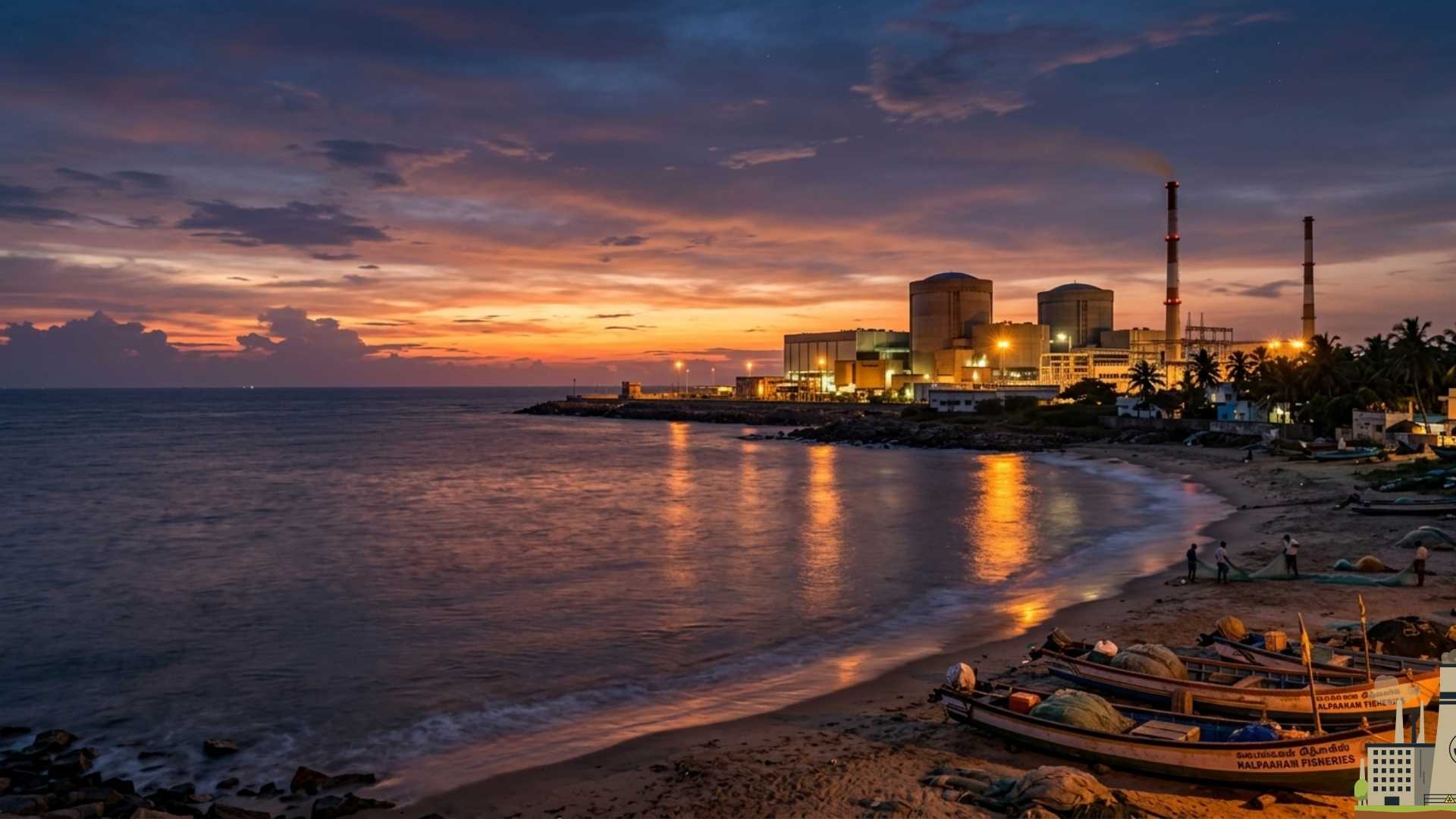
Kalpakam's Fast Breeder Reactor Achieves Critical Milestone

4 mins read The Hindu

India reaches a historic milestone 🇮🇳⚛️

On April 6, 2026, the Prototype Fast Breeder Reactor (PFBR) at Kalpakkam achieved nuclear criticality — a defining step in India’s 70-year journey towards true energy independence.

As PM Narendra Modi said, this is a “decisive step towards harnessing our vast thorium reserves.”

🔹 Indigenous technology
🔹 Strategic energy security
🔹 Future powered by thorium

India’s nuclear roadmap just entered a new era.

#PFBR #NuclearEnergy #EnergySecurity #Thorium #AtmanirbharBharat

Practice questions

4 questions for mains preparation

Analyze the significance of achieving criticality in the PFBR for India's energy independence. How does it relate to the long-term goals of the nuclear power program?

10 marks · 150 words · 8 mins

Evaluate the impact of India's nuclear policies on its energy security. How does the development of fast breeder reactors align with global nuclear energy trends?

10 marks · 150 words · 8 mins

Discuss the implications of using thorium in nuclear reactors. What challenges does India face in capitalizing on its thorium reserves through initiatives like the PFBR?

10 marks · 150 words · 8 mins

India's three-stage nuclear programme, conceived in the 1950s, represents a long-term strategy for energy security through indigenous fuel cycle development. In light of the PFBR achieving criticality at Kalpakkam, critically examine the scientific significance, strategic implications, and remaining challenges in India's path to thorium-based energy independence.

15 marks · 250 words · 8 mins