GS3 Banking

RBI keeps rates steady amid inflation risks

RBI Holds Rates as Inflation Risks Rise and Growth Momentum Moderates

Amid global supply disruptions, elevated crude prices, and monsoon uncertainties, the MPC retains the repo rate at 5.25% while lowering FY27 growth projections and raising inflation forecasts.
Surya Surya
3 mins read

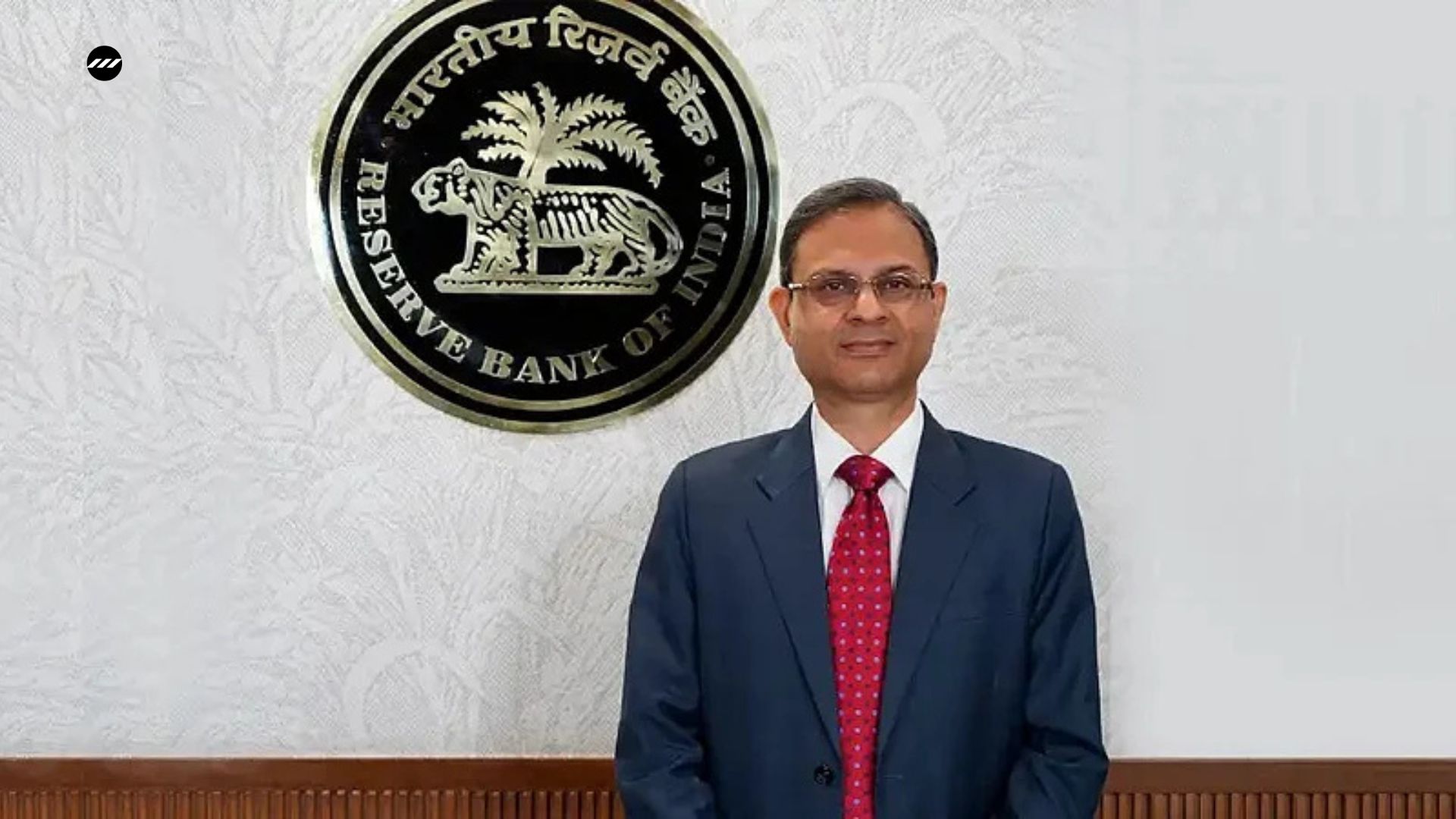
“Although risks of higher inflation have amplified, the MPC felt it would be prudent to wait for greater clarity to emerge.” — RBI Governor Sanjay Malhotra

The Reserve Bank of India's Monetary Policy Committee (MPC) has unanimously decided to keep the policy repo rate unchanged at 5.25% while retaining a neutral policy stance. The decision reflects the RBI's attempt to balance rising inflation risks against slowing economic growth amid global uncertainty.

Key Monetary Policy Decisions

InstrumentRate
Repo Rate5.25%
Standing Deposit Facility (SDF)5.00%
Marginal Standing Facility (MSF)5.50%
Bank Rate5.50%

Why Did RBI Pause?

The MPC highlighted:

  • Continuing geopolitical conflicts.
  • Global supply-chain disruptions.
  • Elevated crude oil prices.
  • Uncertain monsoon outlook.
  • Potential El Niño conditions.

These factors have increased inflationary pressures while simultaneously affecting growth prospects.

Inflation Outlook: Risks Are Rising

Although inflation remains below the RBI's target threshold, several risks have emerged.

Major Inflation Drivers

  • Higher global crude oil prices.
  • Increased transport and logistics costs.
  • Rising prices of industrial inputs.
  • Supply-chain disruptions.
  • Possible deficient southwest monsoon.
West Asia Conflict
        ↓
Higher Oil Prices
        ↓
Higher Input Costs
        ↓
Higher Consumer Prices

CPI Inflation Forecast (2026-27)

QuarterInflation (%)
Q14.2
Q25.1
Q35.9
Q45.4
Full Year5.1

The projection is 50 basis points higher than RBI's previous estimate.

Additional Concerns

  • Wage-price spiral risks.
  • Inflation expectations becoming entrenched.
  • Food inflation due to weather shocks.

The RBI expects inflationary pressures to peak during Q3 before gradually easing.

Growth Outlook: Resilient but Moderating

The RBI noted that India's economy has remained resilient despite global shocks.

Positive indicators include:

  • Strong domestic demand.
  • Expanding manufacturing sector.
  • Continued growth in services.
  • Rising investment activity.

However, some high-frequency indicators suggest moderation in economic activity.

GDP Growth Projection

YearGrowth (%)
FY 2025-26 (Actual Estimate)7.7
FY 2026-27 (RBI Forecast)6.6

Quarterly Forecast for FY 2026-27

QuarterGrowth (%)
Q16.6
Q26.3
Q36.5
Q46.8

Why Growth is Expected to Slow

The RBI identified several downside risks:

High Oil Prices
        +
Supply Chain Disruptions
        +
Global Financial Volatility
        +
Weak Monsoon Risk
        ↓
Lower Growth Outlook

Specific Concerns

  • Rising energy costs affecting production.
  • Expensive import diversification.
  • Weaker agricultural output.
  • Pressure on rural demand.
  • Global economic uncertainty.

India's FY 2025-26 Growth Performance

The Ministry of Statistics and Programme Implementation estimated GDP growth at 7.7%, higher than:

  • 7.1% in FY 2024-25.
  • Earlier estimate of 7.6%.

Sector-Wise Performance

SectorFY26 Growth (%)
Manufacturing10.7
Trade, Hotels, Transport & Communication11.0
Agriculture3.0

Manufacturing

  • Growth accelerated from 9.3% to 10.7%.
  • Remained a key growth driver.

Services

Trade, transport, hotels, communication and storage services recorded robust expansion.

Agriculture

Agricultural growth slowed due to emerging weather-related challenges.

The data indicate healthy domestic demand conditions.

Private Consumption

IndicatorGrowth (%)
PFCE (Private Final Consumption Expenditure)7.7

This reflects:

  • Strong household spending.
  • Improved consumer confidence.

Investment

IndicatorGrowth (%)
Gross Fixed Capital Formation8.2

Higher investment signals:

  • Expansion of productive capacity.
  • Continued asset creation.
  • Long-term growth potential.
Consumption Growth
        +
Investment Growth
        ↓
Economic Resilience

Government's Assessment

Prime Minister Narendra Modi attributed the strong FY26 growth performance to:

  • Structural reforms.
  • Improved ease of doing business.
  • Efforts to enhance opportunities for youth.

Finance Minister Nirmala Sitharaman highlighted:

  • Double-digit growth in manufacturing.
  • Strong performance of services sectors.
  • Expanding trade and logistics activities.

Way Forward

  • Strengthen energy security through import diversification.
  • Accelerate supply-chain resilience initiatives.
  • Promote climate-resilient agriculture.
  • Expand water conservation and crop diversification programmes.
  • Monitor inflation expectations closely.
  • Maintain policy flexibility amid global uncertainty.

Conclusion

India enters FY 2026-27 from a position of relative strength, supported by robust domestic demand, strong manufacturing growth, and rising investment. However, elevated crude oil prices, geopolitical tensions, supply-chain disruptions, and monsoon uncertainties pose significant challenges. By maintaining rates and adopting a wait-and-watch approach, the RBI seeks to balance inflation control with growth support while preserving macroeconomic stability in an increasingly uncertain global environment.

Attribution

Original content sources and authors

Lalatendu Mishra Author Lalatendu Mishra The Hindu Source The Hindu

Syllabus classification

How this article maps to GS papers

Main syllabus

GS3Banking

Also covers

GS3Indian-Economy

Quick Q&A

What are the key decisions taken by the RBI Monetary Policy Committee in June 2026 and what is their broader significance for the Indian economy?
The Reserve Bank of India’s Monetary Policy Committee (MPC), headed by Governor Sanjay Malhotra, unanimously decided on June 5, 2026, to keep the policy repo rate unchanged at 5.25% under the Liquidity Adjustment Facility (LAF). The Standing Deposit Facility (SDF) rate was maintained at 5%, while the Marginal Standing Facility (MSF) rate and Bank Rate remained at 5.50%. The MPC also retained a neutral policy stance, emphasizing a data-dependent approach. These decisions reflect the balancing act between inflation control and growth support. RBI projected real GDP growth for 2026-27 at 6.6%, lower than its earlier estimate of 6.9%, while CPI inflation was revised upward to 5.1%, compared with previous estimates. The central bank highlighted risks arising from prolonged global supply chain disruptions, elevated crude oil prices averaging around $110 per barrel, geopolitical tensions in West Asia, and the possibility of a sub-normal southwest monsoon due to El Niño. The significance of these decisions lies in maintaining macroeconomic stability while avoiding abrupt monetary tightening. A neutral stance provides flexibility to either raise or lower rates depending on incoming data. This is relevant to UPSC GS Paper III topics such as inflation, monetary policy, banking, growth, and external sector vulnerabilities. Historically, inflation targeting was formally adopted in India in 2016, making the MPC a crucial institution for ensuring price stability and sustainable growth. Thus, the June 2026 policy demonstrates the RBI's cautious and calibrated approach amid heightened global uncertainty.
Why is the June 2026 RBI monetary policy and growth-inflation outlook important for UPSC aspirants and public policy debates?
The June 2026 monetary policy review is highly significant for UPSC aspirants because it combines several themes covered under GS Paper III, including economic growth, inflation management, monetary policy, external shocks, food security, and climate-related risks. It also demonstrates how macroeconomic institutions respond to evolving global and domestic challenges. One of the most important aspects is the revision of GDP growth projections. Although India recorded a strong GDP growth of 7.7% in FY 2025-26, the RBI projected growth to moderate to 6.6% in 2026-27. Simultaneously, CPI inflation was revised upward to 5.1%, approaching the upper tolerance band of the RBI's inflation-targeting framework. Such a combination raises concerns about stagflationary tendencies and the policy dilemma between supporting growth and controlling prices. The policy debate is further complicated by external factors such as the West Asia crisis, global supply chain disruptions, high crude oil prices, and El Niño-related risks to agriculture. These issues affect fuel prices, food inflation, rural demand, and fiscal management. For UPSC interviews, candidates are expected to connect current events with broader economic concepts. Questions may involve inflation targeting, the role of the MPC, the significance of a neutral stance, or the impact of geopolitical conflicts on India's economy. The issue also has interdisciplinary relevance, linking economics with geography (monsoon variability), environment (climate resilience), and governance (policy coordination). Therefore, understanding this policy episode provides a comprehensive perspective on contemporary economic management and India's resilience amid global uncertainties.
How do global supply chain disruptions, crude oil prices and El Niño conditions influence inflation and economic growth in India?
Global supply chain disruptions, rising energy prices, and climate-related disturbances such as El Niño have a direct and indirect impact on India's economy. These factors increase production costs, raise inflationary pressures, and moderate overall economic growth. International crude oil prices averaged nearly $110 per barrel during April-May 2026. Since India imports a large share of its energy requirements, higher oil prices increase transportation costs and affect prices of petrol, diesel, LPG, fertilizers, chemicals, plastics, and industrial raw materials. Businesses often pass these costs to consumers, leading to cost-push inflation. Supply chain disruptions caused by geopolitical tensions, particularly in West Asia, increase the cost of imports and delay availability of essential commodities. This affects manufacturing activity and trade, thereby reducing growth momentum. According to the RBI, such disruptions pose downside risks to India's growth outlook. Climate factors also play a crucial role. El Niño and forecasts of a sub-normal southwest monsoon threaten agricultural output, food availability, and rural demand. Agriculture contributes significantly to employment and influences food inflation. Lower crop production can lead to higher prices of cereals, vegetables, and pulses. However, India has attempted to mitigate these challenges through crop diversification, water conservation measures, climate-resilient farming, and import diversification. These measures demonstrate the importance of long-term structural reforms. From a UPSC perspective, this issue integrates GS Paper III themes of agriculture, food security, inflation, and economic development. It also highlights the interconnectedness of climate change, geopolitics, and macroeconomic management. Understanding these linkages is essential for analyzing policy responses and ensuring sustainable growth.
What is a critical analysis of the RBI's decision to maintain a neutral stance and keep policy rates unchanged despite rising inflation risks?
The RBI's decision to maintain the repo rate at 5.25% and retain a neutral stance has attracted both support and criticism. Supporters argue that the move reflects prudence because inflationary pressures are largely supply-driven and originate from external shocks rather than excessive domestic demand. Premature rate hikes could unnecessarily slow economic activity at a time when signs of moderation are already visible. The central bank expects inflation to rise temporarily, with CPI inflation projected at 5.9% in the third quarter of 2026-27 before easing later. It believes that some of these shocks may be transitory and that maintaining policy flexibility is preferable. The data-dependent approach allows the RBI to react appropriately as more information becomes available. Critics, however, argue that persistent high oil prices, wage pressures, and second-round inflation effects may become entrenched if policy tightening is delayed. Inflation expectations are critical in monetary policy, and failure to anchor them can undermine price stability. Some economists believe a more hawkish stance could have strengthened investor confidence. Another debate concerns the growth-inflation trade-off. While preserving growth is important, prolonged inflation disproportionately affects poor households and reduces purchasing power. Therefore, monetary authorities must balance short-term growth objectives with long-term price stability. Historically, central banks worldwide have faced similar dilemmas during commodity shocks and geopolitical crises. The current episode resembles earlier periods when policymakers had to weigh inflation risks against recessionary pressures. For UPSC aspirants, such critical evaluation demonstrates analytical ability. It connects with GS Paper III topics of monetary policy and economic development and is highly relevant for interviews where candidates are expected to present balanced and evidence-based opinions.
What lessons does the 2026 monetary policy episode provide regarding India's economic resilience and policy response mechanisms?
The June 2026 monetary policy episode serves as an important case study of how India manages multiple domestic and global shocks simultaneously. Despite rising crude oil prices, geopolitical tensions in West Asia, and climate-related uncertainties, the Indian economy demonstrated considerable resilience. GDP growth in FY 2025-26 stood at 7.7%, while manufacturing and services sectors recorded double-digit growth. The RBI adopted a cautious strategy by maintaining policy rates and preserving a neutral stance. This approach highlights the importance of evidence-based policymaking and institutional flexibility. Instead of reacting aggressively to temporary supply shocks, the central bank preferred to monitor inflation expectations and emerging trends. Another lesson is the importance of diversification and structural reforms. Import diversification can reduce dependence on vulnerable supply chains. Government initiatives promoting climate-resilient agriculture, water conservation, crop diversification, and short-duration crops are intended to reduce the impact of monsoon variability and El Niño conditions. Coordination between institutions also emerged as a key feature. Chief Economic Advisor V. Anantha Nageswaran endorsed the RBI's growth and inflation estimates, indicating coherence between fiscal and monetary authorities. Such coordination strengthens policy credibility. The episode further demonstrates that economic resilience depends not only on high GDP growth but also on institutional strength, adaptability, and prudent risk management. Similar lessons were observed during the COVID-19 pandemic and previous global financial crises. For UPSC interviews, this case study is useful for discussing economic governance, crisis management, sustainable development, and policy coordination. It reflects broader themes of resilience, inclusive growth, and macroeconomic stability, which are central to GS Paper III and contemporary policy discourse.

Practice questions

1 question for mains preparation

Price stability and economic growth often require difficult policy trade-offs. In the context of recent inflationary pressures arising from global supply disruptions and energy price shocks, examine the role of monetary policy in balancing inflation control with growth objectives in India.

10 marks · 150 words · 8 mins
