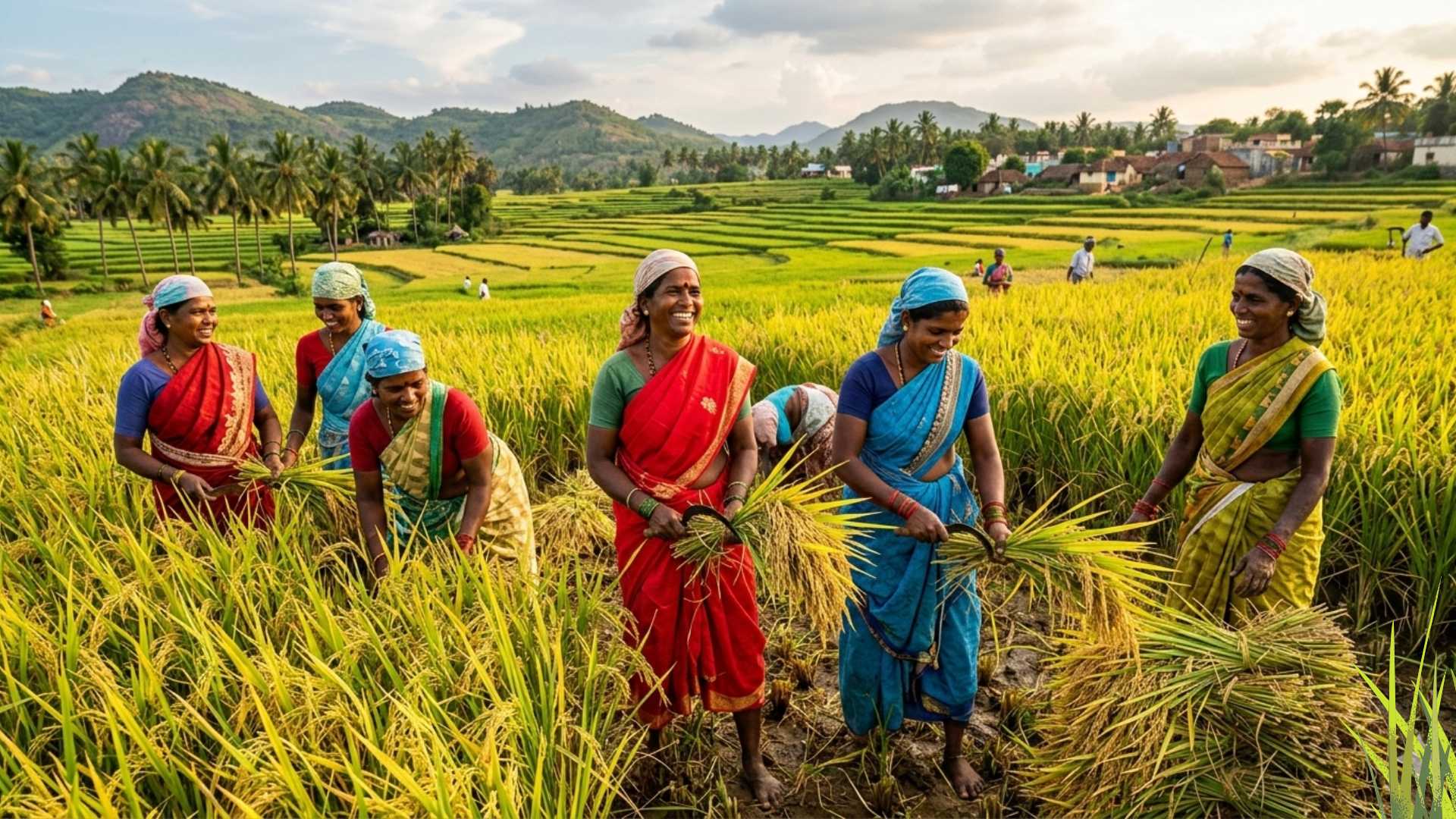
A Missed Opportunity to Secure Minimum Wages for Workers
The VB-G RAM G Act overlooks crucial wage anomalies in MGNREGA, affecting worker benefits and program sustainability.

The Grim Job Market: Indian Graduates Face Harsh Realities
Despite a surge in graduates, India's youth struggles with high unemployment and a lack of quality jobs, revealing systemic issues in education and job creation.
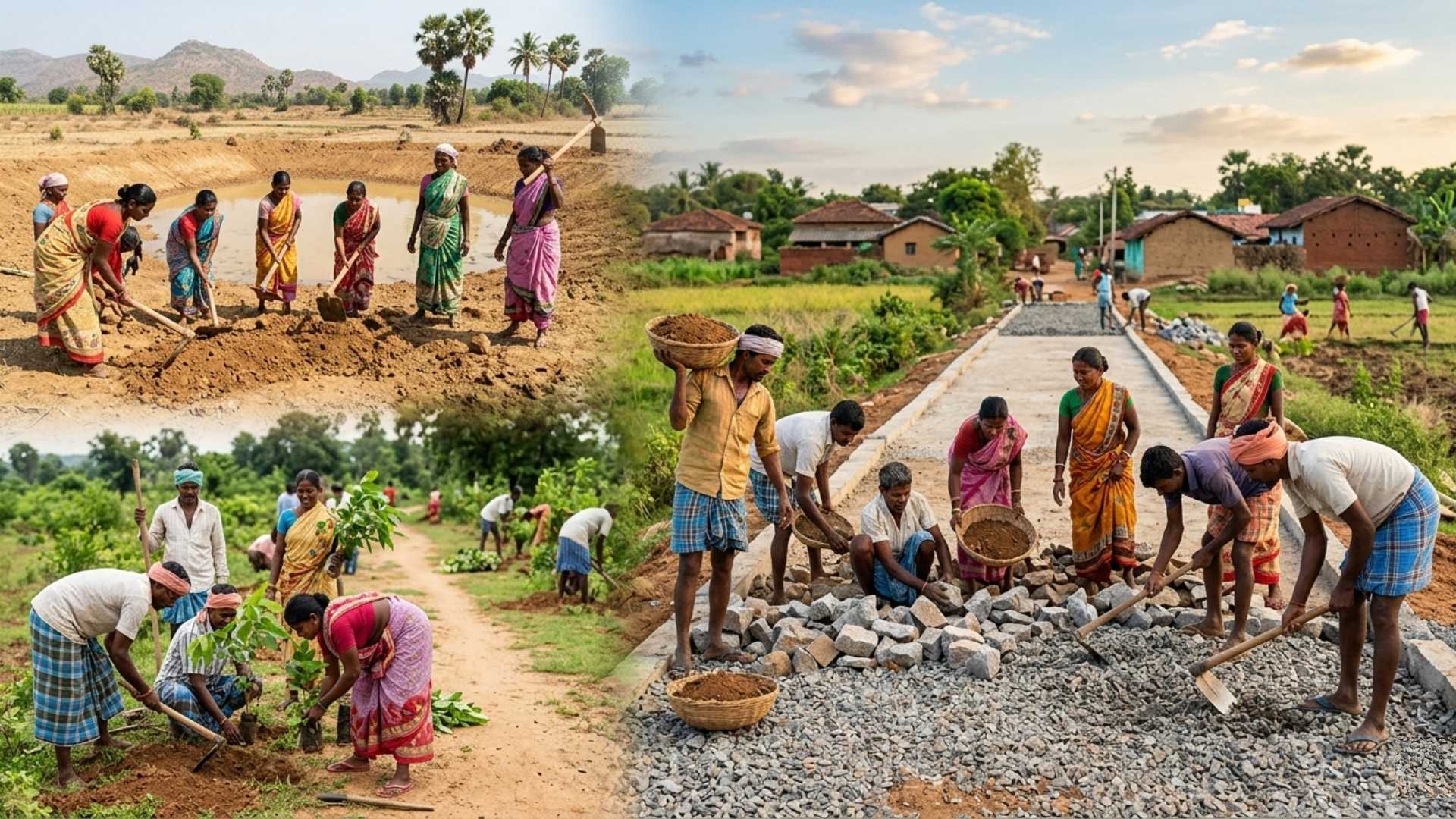
24 States and U.T.s Allocate Funds for New Rural Jobs Scheme
Despite the Centre's inaction, 24 states earmark funds for rural employment, using past MGNREGA expenditures as a baseline amidst financial concerns.
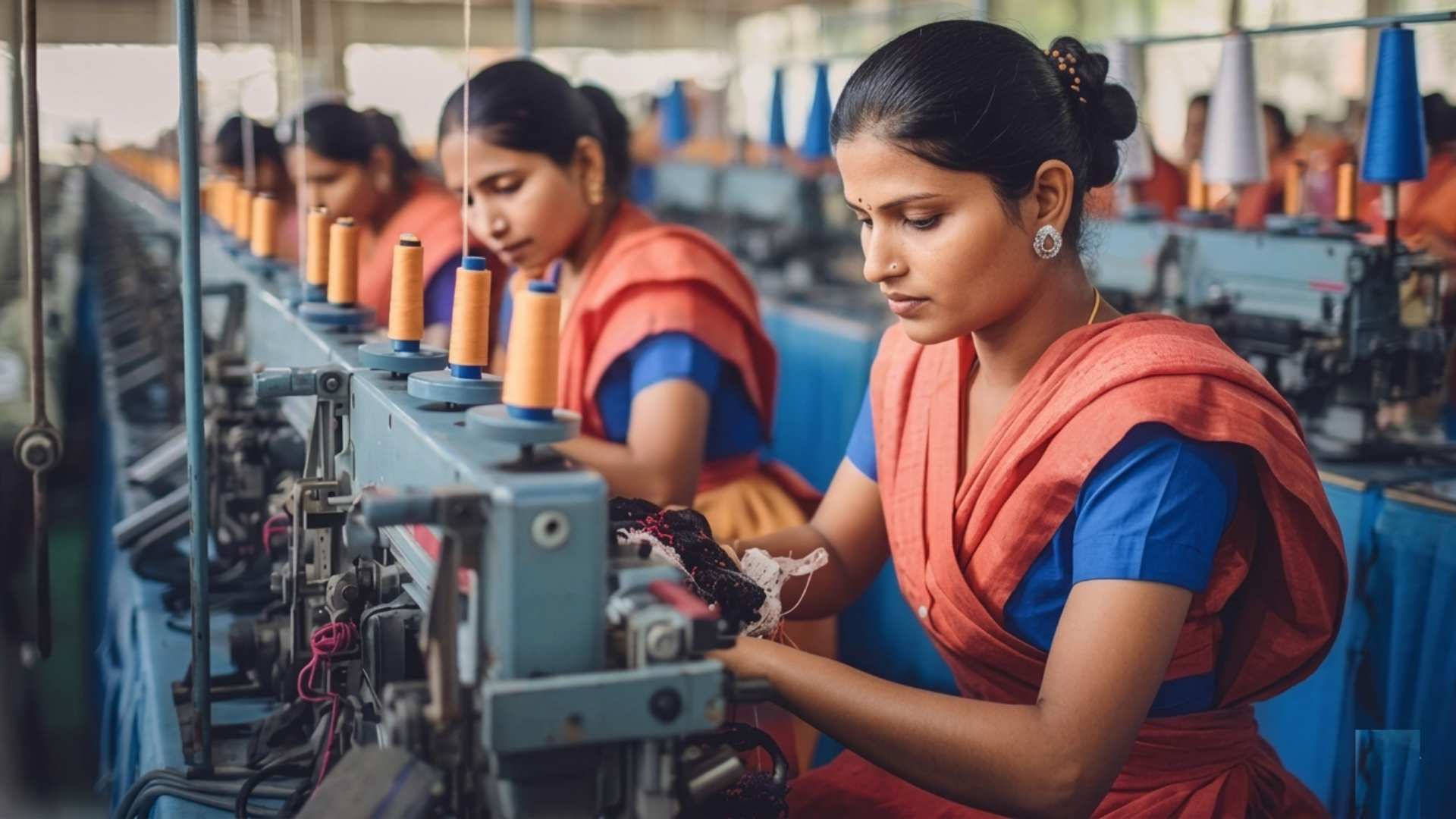
India’s New Labour Codes: Reform or Reconfiguration of Informality?
While the Economic Survey heralds job creation, the informal workforce faces stark challenges undermining expectations.

Bridging the Education-to-Employment Gap Through Apprenticeships
NITI Aayog's report highlights the urgent need for reforms in India's apprenticeship system for sustainable job creation.
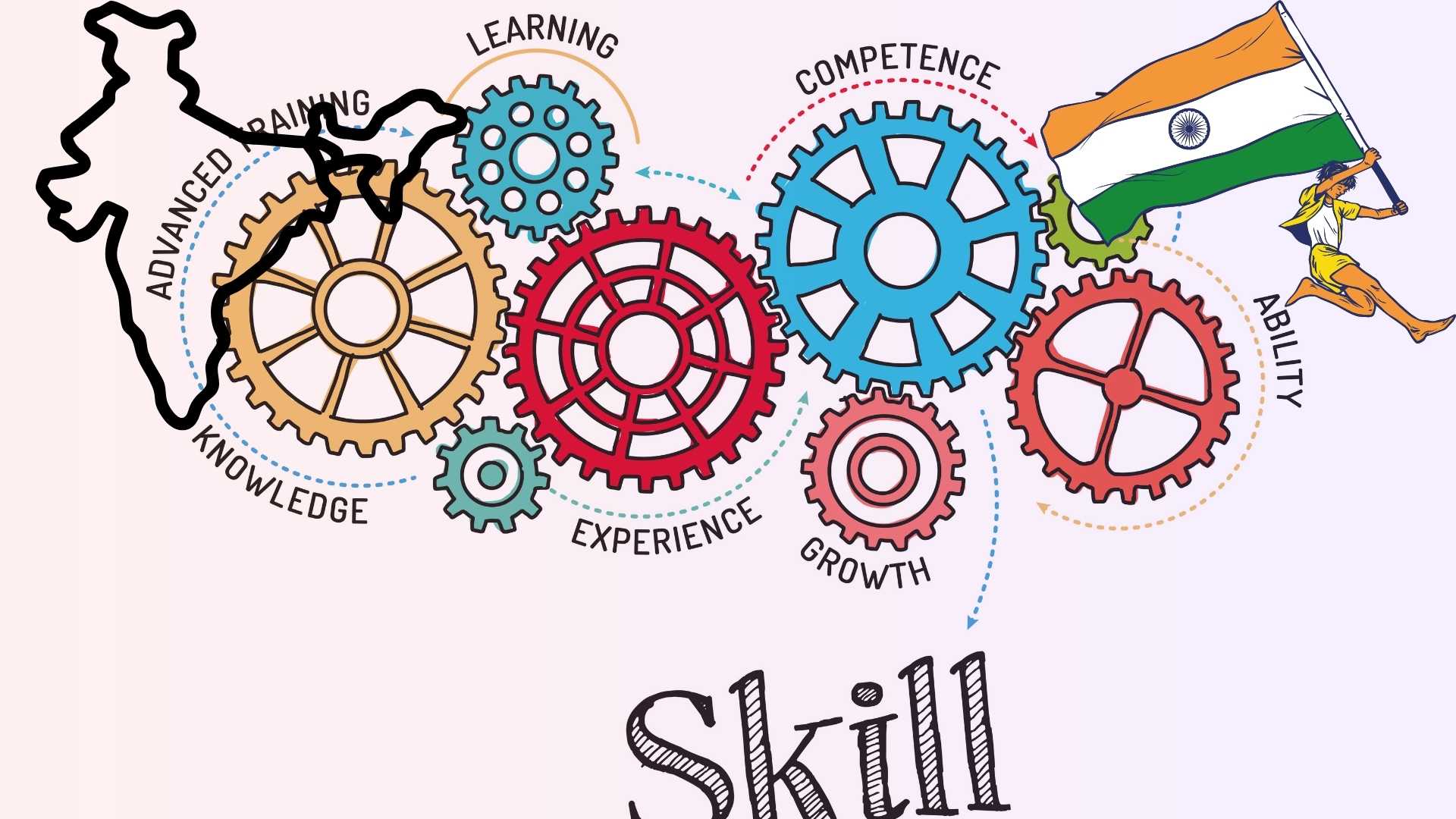
Navigating the Herculean Challenges of Skill India
Addressing financing issues and leveraging India's demographic dividend through effective skill education reforms

Minimum Wage Revision in Karnataka: A Conflict Between Worker Welfare and Industrial Viability
How inflation, legal challenges, and Labour Code implementation have complicated wage reforms affecting 1.77 crore workers.

AI's Disruption in the Software Services Industry
An in-depth exploration of AI's rapid integration in India's IT sector and its impact on jobs, productivity, and growth.

From Poverty to Precarity: The Changing Nature of Inequality in India
Why income mobility analysis reveals deeper vulnerabilities than traditional poverty and inequality measures.

Boosting Labour Productivity to Achieve Viksit Bharat Goals
NITI Aayog's Suman Bery emphasizes the need to enhance productivity and women's participation to reach $18,000 per capita income by 2047.
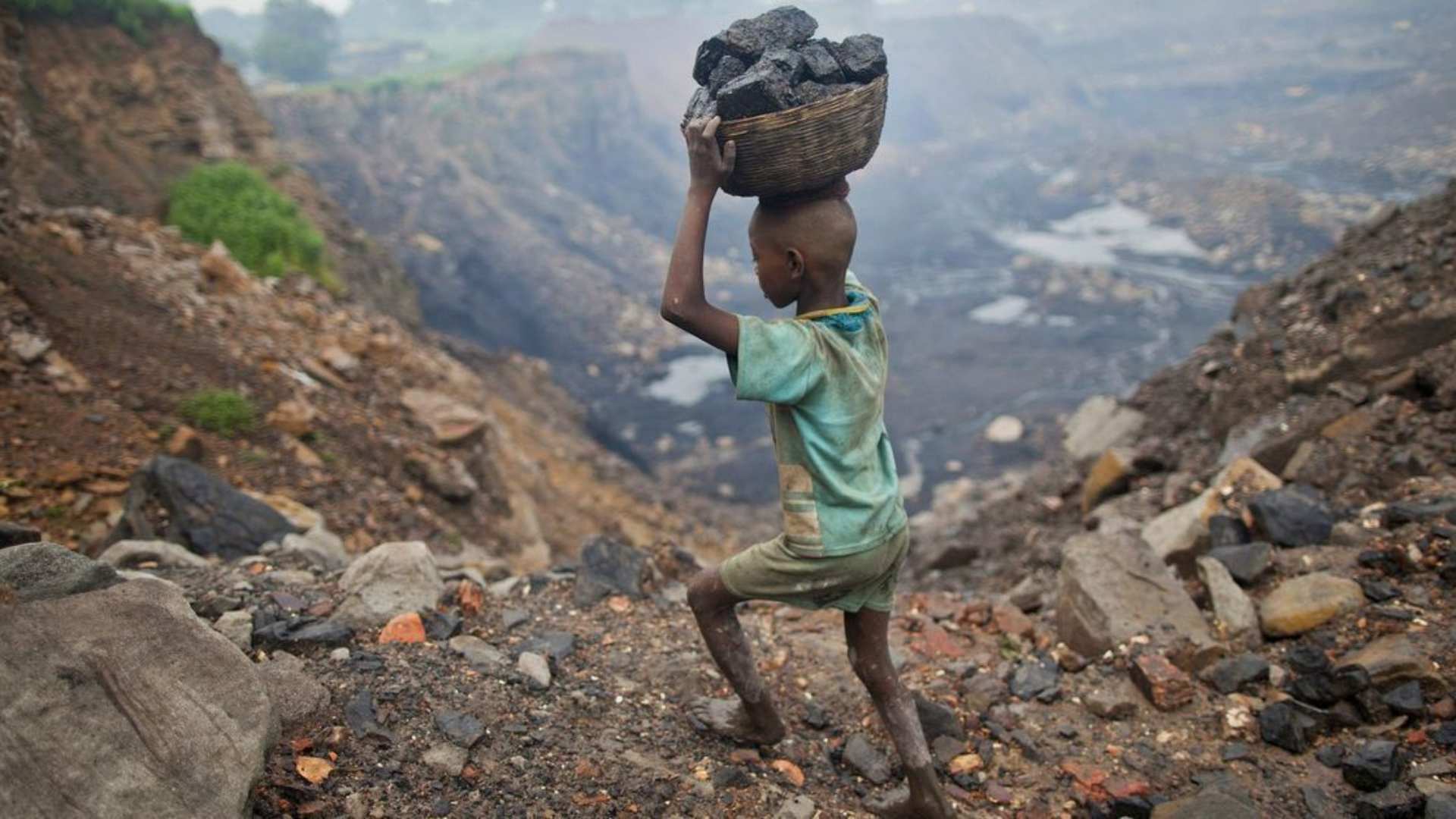
Fifty Years After Abolition: Why Bonded Labour Persists Despite a Landmark Law
Five decades after the Bonded Labour System (Abolition) Act, 1976, delayed rehabilitation, weak accountability and caste-based exploitation continue to push vulnerable migrants back into cycles of bondage.
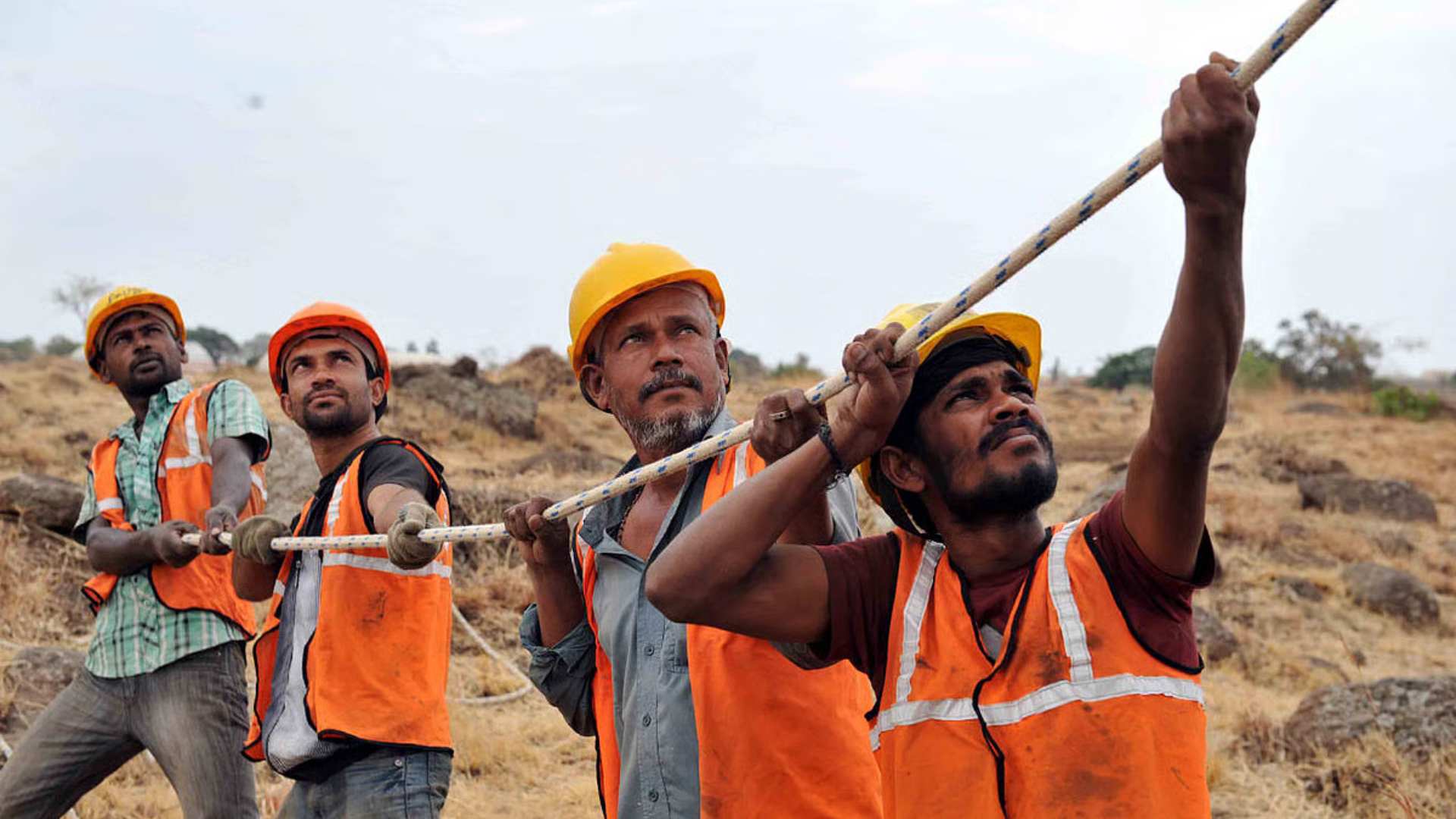
Labour Codes: Redefining Wages and Empowering Workers
The new labour codes aim to enhance worker benefits, promote financial inclusion, and strengthen long-term social security measures.

Lok Sabha Approves Industrial Relations Code Amendment Bill, 2026
Amendment Bill aims to ensure legal certainty and continuity of industrial laws.

India's Unemployment Rate Hits Three-Quarter Low at 4.8%
Unemployment in India eases to 4.8% in Q3 FY26, driven by increased labour force participation and a drop in youth joblessness.

Gig Workers Rising: Demand for Welfare and Protections
Recent strikes in the gig economy highlight worker demands for better conditions and challenge new labour reforms in India.